Most people wait until something feels wrong before seeking answers. But when it comes to brain health and early brain cancer detection, waiting for symptoms to appear can significantly reduce the window for meaningful intervention. Brain tumors, cognitive decline, and neurological changes frequently develop silently, sometimes over years, before they produce the headaches, memory lapses, or functional changes that prompt a visit to the doctor. For patients committed to proactive health management, the more important question is not what to do when symptoms arrive, but how to identify risk before they do.
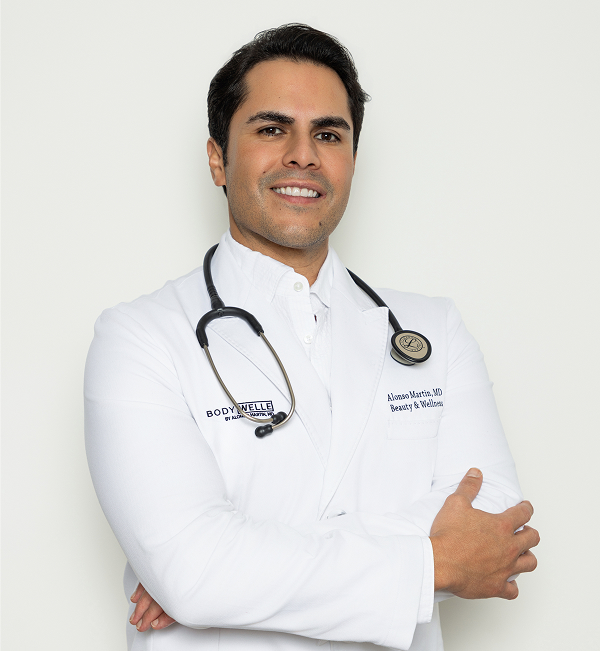
At BODYWELLE in Miami Beach, Dr. Alonso Martin offers advanced brain and cancer risk testing as part of a comprehensive longevity and diagnostics program, giving patients the information they need to act early, when intervention is most effective. For many patients, this testing offers genuine hope for catching serious disease at a stage when treatment remains most impactful.
Five Things to Know About Brain Health Testing and Early Detection
- Brain cancer and cognitive decline often develop without obvious symptoms in the early stages, making proactive screening essential for patients who want to stay ahead of serious disease.
- Multi-cancer early detection blood tests can screen for signals of 50 or more cancer types from a single blood draw, including cancers that currently lack routine screening options.
- Full body MRI provides non-invasive, radiation-free imaging of the brain and nervous system, identifying structural changes that may not yet be producing symptoms.
- Early diagnosis significantly improves prognosis for brain tumors, including aggressive forms like glioblastoma, by expanding treatment options and allowing for earlier clinical referral.
- Brain health testing at BODYWELLE is designed for proactive patients of all ages, not only those experiencing symptoms or managing an existing diagnosis.
Why Brain Changes and Tumors Can Begin Years Before Symptoms Appear
The brain is a remarkably adaptive organ capable of compensating for early cellular changes, small structural abnormalities, and even the early presence of tumors before those changes produce noticeable effects. This neurological resilience is protective in many ways, but it also means that by the time common signs and symptoms such as persistent headaches, cognitive changes, vision disturbances, or unexplained fatigue appear, the underlying disease process may be well established.
Brain cancer research has consistently shown that earlier diagnosis correlates with improved prognosis and a broader range of treatment options. Glioblastoma and other high-grade brain tumors carry a serious prognosis in part because they are so often detected at an advanced stage, when the range of available treatment options is most limited. The same pattern holds for cognitive decline: neurological changes associated with dementia and other conditions can be identified years before symptoms reach a level that prompts clinical concern. For patients interested in longevity and proactive health management, this gap between biological onset and symptom emergence is precisely where early detection testing provides its greatest value.
Brain Health and Cancer Detection Testing at BODYWELLE: What’s Available
Multi-Cancer Early Detection Blood Testing
One of the most significant recent advances in cancer detection is the development of multi-cancer early detection blood tests, a category of liquid biopsy technology that analyzes cell-free DNA and other biomarkers circulating in the bloodstream to identify signals associated with cancer. Ongoing cancer research continues to expand the range of tumors detectable through this approach, offering new possibilities for identifying other cancers that have historically been difficult to screen for. At BODYWELLE, Dr. Martin offers the Galleri multi-cancer early detection test, which screens for more than 50 types of cancer from a single blood draw, including many that currently lack routine screening options, though sensitivity varies by cancer type.
The test is non-invasive, requires no special preparation, and can be incorporated into a standard blood draw appointment. A positive signal prompts further diagnostic imaging and clinical evaluation; it does not constitute a diagnosis on its own, but it provides critical information that can guide next steps and accelerate referral to appropriate specialists when needed.
Full Body MRI for Brain and Neurological Insights
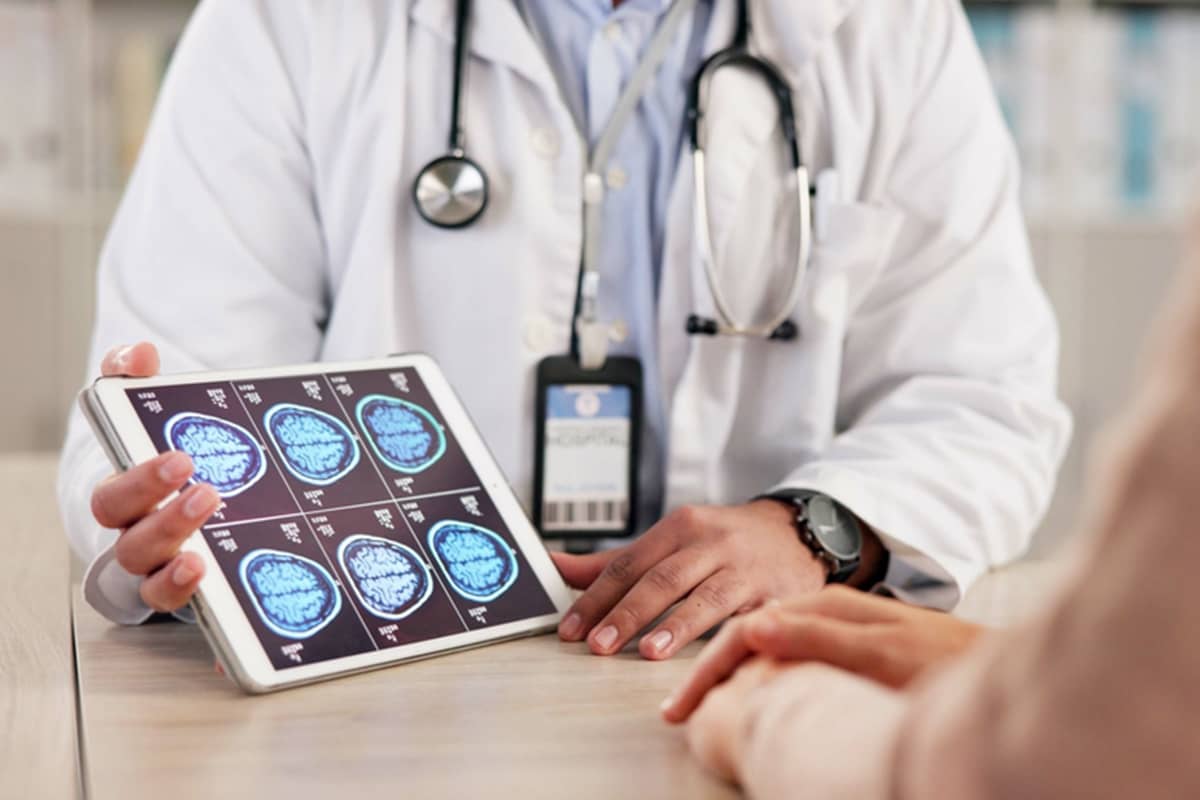
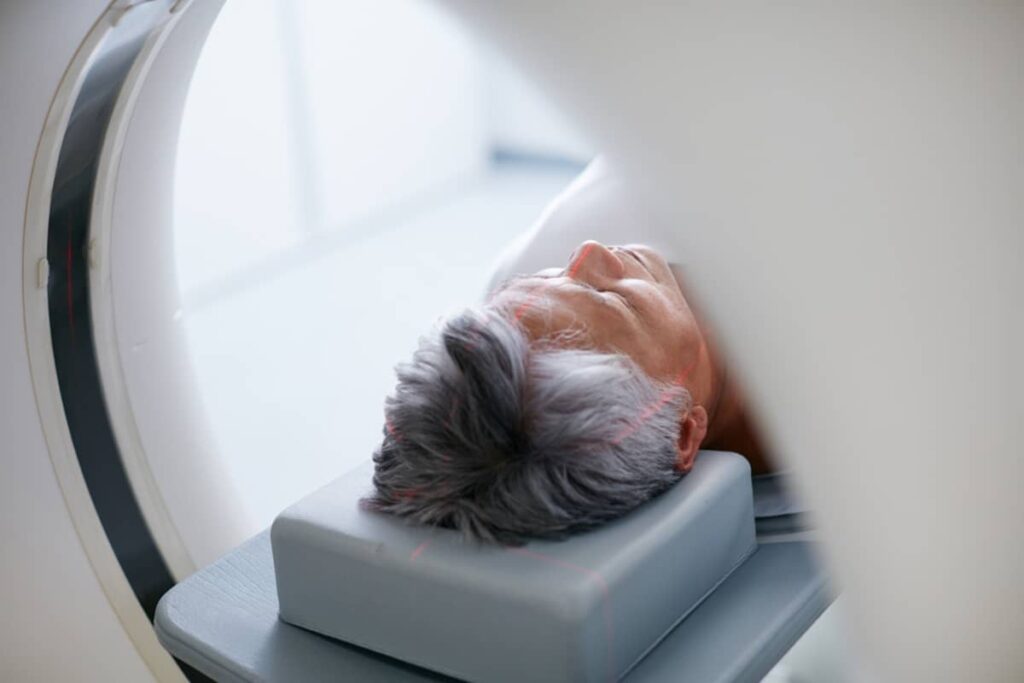
Full body MRI is a non-invasive, radiation-free imaging modality that provides detailed structural information about the brain and nervous system. For patients concerned about brain tumors, early neurological changes, or cognitive health, MRI remains one of the most valuable diagnostic tools available — capable of identifying structural abnormalities, areas of inflammation, and early signs of disease that are not detectable through blood testing alone.
At BODYWELLE, a full-body MRI is offered as part of a comprehensive brain and cancer risk assessment. When combined with blood-based cancer detection testing, it provides a complementary layer of information — one that captures structural and anatomical data alongside the molecular signals identified in the blood. For patients with a family history of brain cancer, neurological disease, or other relevant risk factors, this combined approach offers a more complete picture of brain health than either test provides individually.
DEXA Scan and the Brain-Body Connection
DEXA scanning is most commonly associated with bone density and body composition assessment, but its relevance to brain health is increasingly recognized in longevity medicine. Body composition, particularly the ratio of muscle mass to fat tissue, is closely linked to metabolic health, inflammation levels, and cardiovascular function, all of which influence long-term neurological health. Chronic inflammation and poor metabolic health are established risk factors for cognitive decline, and identifying these patterns early creates an opportunity for intervention before brain health is affected.
At BODYWELLE, DEXA scanning is incorporated into the broader diagnostics framework as a tool for understanding the body-wide conditions that influence brain aging and disease risk over time.
Start Your Journey to Success, Don’t Wait Any Longer!
Join our satisfied clients who’ve experienced safe, effective treatments.
Who Should Consider Brain Health and Cancer Risk Testing?
The candidate profile for proactive brain health testing at BODYWELLE is not limited to patients who are symptomatic or managing an existing diagnosis. Patients who may benefit most from early detection testing include:
- Adults over 40 who want a comprehensive baseline assessment of brain and cancer risk
- Individuals with a personal or family history of cancer, neurological disease, or cognitive decline
- Patients experiencing subtle cognitive changes, such as occasional memory lapses, reduced concentration, or mental fatigue, that fall short of a clinical threshold but feel meaningfully different from their baseline
- High-performance professionals and athletes who prioritize cognitive function as a central component of their health
- Anyone committed to a proactive longevity strategy who wants to close the gap between biological onset and clinical detection
Brain health testing is appropriate across a wide age range. While risk increases with age, the value of establishing a baseline and identifying early signals is not exclusive to older adults — and the earlier that baseline is established, the more useful it becomes as a reference point for tracking changes over time.
What Happens During a Brain Health Assessment at BODYWELLE
A brain and cancer risk assessment at BODYWELLE begins with a thorough consultation with Dr. Martin, during which your health history, family history, risk factors, and cognitive health concerns are reviewed in detail. From there, Dr. Martin recommends a personalized panel of tests based on your specific profile, which may include the Galleri multi-cancer blood test, full body MRI, DEXA scan, and cognitive function assessments designed to evaluate memory, focus, processing speed, and overall neurological performance.
Results are reviewed with Dr. Martin directly, with a clear explanation of what the findings mean, what further steps may be indicated, and how the results can inform your broader longevity and health optimization plan. For patients whose results suggest areas of concern, Dr. Martin coordinates appropriate clinical referrals and follow-up. The goal is not simply to generate data, but to translate that data into actionable information that supports better long-term health decisions.
Frequently Asked Questions About Brain Health Testing
Take Control of Your Brain Health Before Symptoms Begin
The most effective time to address brain health is before symptoms appear, when the range of available interventions is broadest, and the opportunity for meaningful impact on long-term prognosis and cognitive performance is greatest. Early detection does not guarantee specific outcomes, but it consistently expands options and improves the quality of clinical decision-making for both patients and their care teams.
At BODYWELLE in Miami Beach, Dr. Alonso Martin and his team are committed to giving patients the diagnostic clarity they need to make informed, proactive decisions about their neurological health and longevity.
Schedule your brain health and cancer risk testing consultation at BODYWELLE in Miami Beach and take the first step toward understanding what’s happening in your body before symptoms tell you something is wrong.