Many adults begin noticing subtle changes in memory, focus, or mental clarity as they age — a gradual shift that is easy to dismiss but difficult to ignore. For those looking beyond conventional approaches, stem cell therapy for cognitive function has emerged as one of the most actively studied areas in regenerative medicine. While research is still evolving, the science behind how these cells interact with the brain, reduce neuroinflammation, and support neuronal repair is generating meaningful interest among researchers, neurology specialists, and patients committed to proactive cognitive health.
At BODYWELLE in Miami Beach, Dr. Alonso Martin follows the latest developments in regenerative medicine and cellular health — helping patients understand what current stem cell research suggests and whether a consultation to explore these options makes sense for their individual health profile.
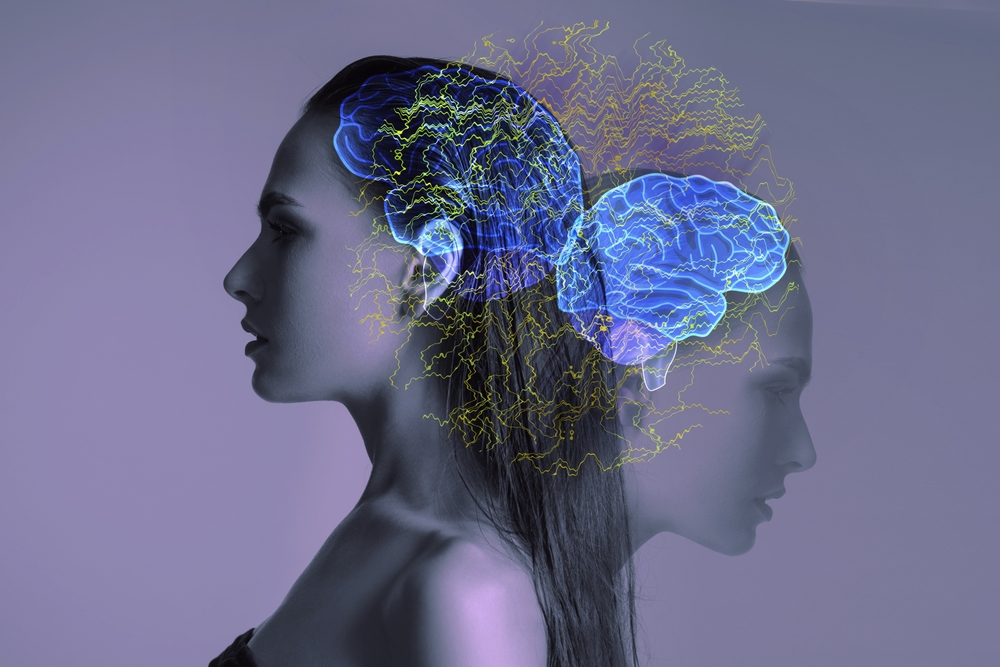
What the Research Suggests About Stem Cell Therapy and Brain Health
- Mesenchymal stem cells have demonstrated the ability to cross the blood-brain barrier in preclinical studies, reaching the hippocampus and other regions involved in memory and cognition.
- Stem cell research suggests these cells may reduce neuroinflammation — a key driver of cognitive decline across multiple neurological disorders — by modulating glial cells and inflammatory pathways.
- A phase 2a clinical trial found that intravenous infusions of a mesenchymal stem cell therapy were safe in human patients with mild Alzheimer’s disease and showed indications of slowing cognitive and brain volume decline.
- Neural stem cells and pluripotent stem cells are being studied for their potential role in cell replacement and the regeneration of neurons and other brain cells lost to neurodegeneration.
- IV delivery of stem cells and their secreted exosomes allows transplanted cells and their bioactive signals to reach the brain systemically — an approach that may offer broader cognitive benefits than localized interventions.
Why Neuroinflammation and Neurodegeneration Are Central to Cognitive Decline
To understand why stem cell therapy is being explored as a therapeutic approach for cognitive health, it helps to understand what drives cognitive decline at a biological level. The brain is composed of neurons, glial cells, and a complex network of supporting structures — all of which are vulnerable to the cumulative effects of aging, oxidative stress, and chronic inflammation. Neuroinflammation, driven largely by the activation of glial cells in the central nervous system, is now recognized as a central mechanism in the progression of neurodegenerative disorder across conditions including Alzheimer’s disease, Parkinson’s disease, vascular dementia, and related dementias.
As neurons are damaged or lost, the brain’s capacity for memory, focus, processing speed, and executive function declines. Conventional treatments for these conditions — such as cholinesterase inhibitors — are designed to manage symptoms rather than address the underlying biology. This gap has driven growing interest in innovative therapy options that target neurodegeneration at a cellular level, including stem cell-based approaches.
Start Your Journey to Success, Don’t Wait Any Longer!
Join our satisfied clients who’ve experienced safe, effective treatments.
What Stem Cell Research Suggests About Cognitive Benefits
Research on mesenchymal stem cells (MSCs) and their potential cognitive benefits has expanded significantly in recent years, examining how MSCs and their secreted exosomes may support brain health through several distinct mechanisms.
MSCs produce neurotrophic factors that support the survival and function of neurons and other brain cells, and research suggests they may stimulate neurogenesis — the formation of new neurons — in regions such as the hippocampus, which plays a central role in memory consolidation. Preclinical studies have shown that intravenously administered MSCs can cross the brain barrier, migrate to areas of inflammation, and help restore cognitive function in animal models. In one preclinical study, transplanted cells were associated with restored episodic memory and reduced neuroinflammation in the hippocampal region of animal models.
Research specifically examining vascular dementia found that MSC treatment improved cognition and reduced the accumulation of amyloid-related proteins — changes associated with Alzheimer’s and related dementias — through a combination of anti-inflammatory and neuroprotective mechanisms. A broader review of stem cell research concluded that MSCs demonstrate significant therapeutic potential for neuroinflammation-related cognitive disorders, including age-related neurodegenerative diseases.
For human patients, one of the most closely watched developments in clinical neurology is a phase 2a trial conducted across ten US centers, which tested laromestrocel, a bone marrow-derived allogeneic MSC therapy, in patients with mild Alzheimer’s disease. The study met its primary safety endpoint and showed indications of slowing whole brain volume loss, reducing neuroinflammation in the hippocampus, and improving composite cognitive scores compared to placebo — an encouraging early signal for the field of regenerative neurology.
Who May Be a Good Candidate for Exploring Stem Cell Therapy for Cognitive Support
While intravenous stem cell therapy for cognitive function remains an area of active clinical investigation, patients with specific profiles may benefit from a consultation to understand the current state of the research and what options may be appropriate for their situation.
These include:
- Adults experiencing early or mild cognitive changes — such as occasional memory lapses, reduced focus, or mental fatigue — who are interested in proactive brain health strategies
- Individuals with a family history of neurological disorders or neurodegenerative disease who want to explore emerging preventive approaches
- Patients who have not found adequate support through conventional treatments for cognitive health concerns
- Those committed to a longevity-focused health protocol and interested in staying informed about the most advanced therapeutic approaches available
A thorough medical evaluation is essential before any stem cell-related treatment is considered. Dr. Martin reviews each patient’s health history, cognitive health concerns, and overall clinical profile to provide accurate, individualized guidance.
What to Expect During a Consultation at BODYWELLE in Miami Beach
At BODYWELLE, the conversation about stem cell therapy for cognitive support begins with a comprehensive consultation with Dr. Alonso Martin. Rather than applying a one-size-fits-all approach, Dr. Martin takes time to understand each patient’s specific concerns, review relevant health history, and discuss what the current research does and does not support. This includes an honest assessment of where IV stem cell therapy stands in terms of evidence, what realistic expectations look like, and how it might fit within a broader cellular health and longevity protocol.
Patients who proceed with any regenerative treatment at BODYWELLE do so under direct physician supervision, with ongoing monitoring and support throughout their care. Dr. Martin’s background in neuroscience and longevity medicine informs a clinical approach that is both scientifically grounded and individually tailored.
Schedule Your Consultation at BODYWELLE in Miami Beach
The science of stem cell therapy and its potential cognitive benefits is advancing rapidly — and staying informed is the first step toward making decisions that are right for your biology and your goals. Whether you are exploring options for early cognitive support, interested in the emerging field of regenerative neurology, or simply want to understand what this innovative therapy may one day offer, BODYWELLE is an essential resource for staying ahead of the science.
Schedule your consultation with Dr. Alonso Martin at BODYWELLE in Miami Beach to explore the latest in cellular health and regenerative medicine for cognitive function.