Lip filler swelling is common after treatment and is usually temporary. It is often most noticeable during the first 24 to 48 hours and typically begins to improve over the next several days. Mild bruising, tenderness, or uneven swelling can also occur while the lips heal and the filler settles.
Simple aftercare steps, such as using a wrapped cold compress, avoiding strenuous exercise and heat, and following your injector’s instructions, can help support a smoother recovery. At BODYWELLE, we provide personalized aftercare guidance so patients know what to expect, what to avoid, and when swelling may require medical attention.
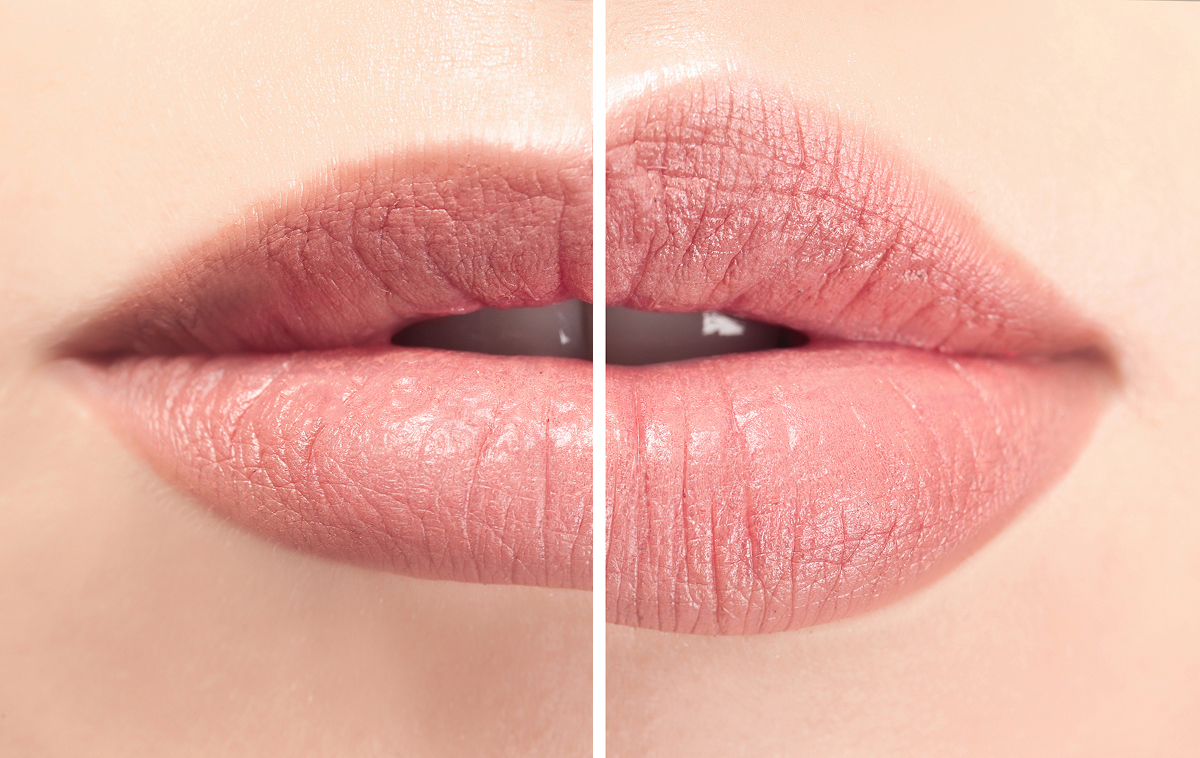
Key Takeaways
- Lip filler swelling is common and usually improves within several days.
- Use a wrapped cold compress for about 10 minutes at a time.
- Avoid strenuous exercise, excessive heat, and unnecessary pressure during early recovery.
- Stay normally hydrated and follow your injector’s aftercare instructions.
- Contact your provider if swelling worsens or you develop unusual pain or skin color changes.
Most swelling improves within the first week, while the lips may continue settling for up to 2 to 4 weeks.
- Key Takeaways
- 1. Apply a Cold Compress to Help Control Swelling After Treatment
- 2. Keep Your Head Elevated While Resting
- 3. Avoid Unnecessary Pressure on Your Lips After Lip Injections
- 4. Skip Strenuous Exercise and Heat Exposure for a Few Days
- 5. Stay Hydrated After Your Procedure to Support Recovery
- 6. Limit Alcohol During Early Recovery
- 7. Be Gentle With Skin Care and Avoid Harsh Lip Products
- 8. Be Careful With Lip Balm and Makeup After Treatment
- 9. When Lip Filler Swelling Is Not Normal
- 10. Allow Time for Lip Filler Swelling to Settle
- Lip Filler Treatment and Aftercare at BODYWELLE
- Frequently Asked Questions About Lip Filler Aftercare
- About the Author
1. Apply a Cold Compress to Help Control Swelling After Treatment

Swelling and bruising are common after lip filler injections. A clean, wrapped cold compress can help reduce discomfort and control swelling during the early recovery period. Apply it gently without pressing firmly on the lips, and never place ice directly on the skin.
How Long Should You Ice Your Lips After Filler?
According to Cleveland Clinic, a wrapped ice pack can be applied for up to 10 minutes at a time to help reduce swelling and discomfort after lip filler treatment. Avoid placing ice directly on your skin or pressing firmly on the treated area. Follow your injector’s specific instructions if they differ.
Some patients use over-the-counter arnica creams or gels for bruising or swelling, but evidence is limited, and results can vary. Ask your doctor before applying any topical product near recently treated lips.
2. Keep Your Head Elevated While Resting
When lying down, keep your head elevated with an extra pillow or sleep slightly propped up for the first few nights after your lip filler treatment. This may help limit fluid buildup and keep you more comfortable while swelling subsides.
It is also a good idea to avoid sleeping directly on your face during early recovery, as firm or prolonged pressure may irritate the treated area.
3. Avoid Unnecessary Pressure on Your Lips After Lip Injections
Be gentle when brushing your teeth, applying skincare near the lips, or sleeping. Normal movement is expected, but avoid repeated pressure while the area is healing.
Rubbing or massaging the lips can increase tenderness or irritation during early recovery. Only massage the treated area if your injector specifically recommends it.

4. Skip Strenuous Exercise and Heat Exposure for a Few Days
Avoid strenuous exercise for the first 24 to 48 hours after treatment, as increased blood flow can make swelling and bruising more noticeable. According to the American Society of Plastic Surgeons, patients are generally advised to avoid intense physical activity during this period.
Excessive heat, including saunas, steam rooms, and hot yoga, should also be avoided during early recovery. Gentle walking and normal daily movement are generally fine unless your injector advises otherwise.
5. Stay Hydrated After Your Procedure to Support Recovery
Staying properly hydrated supports your body’s normal healing process after lip filler treatment. According to Cleveland Clinic, drinking plenty of water is one of the recommended steps during lip filler recovery.
Focus on maintaining normal hydration rather than drinking excessive amounts of water. You can also include water-rich foods such as fruits and vegetables as part of a balanced diet during recovery.

6. Limit Alcohol During Early Recovery
Alcohol may make bruising or swelling more noticeable after lip filler treatment, so it is generally best to limit or avoid it during the first 24 to 48 hours.
Focus on regular meals, normal hydration, and foods that are comfortable to eat while your lips are tender. Follow any specific dietary recommendations provided by your injector.
7. Be Gentle With Skin Care and Avoid Harsh Lip Products
During the first few days after treatment, avoid exfoliating products, retinoids, strong acids, or other potentially irritating skincare products around the lips. Stick to gentle cleansers and moisturizers and avoid unnecessary contact with the treated area.
If you have a history of cold sores, let your injector know before treatment. Lip injections can sometimes trigger an outbreak, and your provider may recommend preventive antiviral medication when appropriate.
Start Your Journey to Success, Don’t Wait Any Longer!
Join our satisfied clients who’ve experienced safe, effective treatments.
8. Be Careful With Lip Balm and Makeup After Treatment
Follow your injector’s instructions about when to resume lip balm, lipstick, and other lip products, as recommendations may vary depending on the treatment and your individual recovery.
During early healing, avoid applying products that require firm pressure or could irritate the treated area. When you resume using lip products, choose clean, gentle products and avoid anything expired or shared to reduce the risk of irritation or infection.
9. When Lip Filler Swelling Is Not Normal
Mild swelling, bruising, tenderness, and some temporary unevenness are common after lip fillers, especially during the first few days. These symptoms should gradually improve as your lips heal.
Signs You Should Contact Your Provider
- Swelling that continues to worsen instead of improving
- Persistent or increasing pain
- Lumps or firmness that do not improve
- Increasing redness, warmth, or other signs of infection
- Skin that appears unusually pale, white, bluish, or blotchy
Signs That Need Emergency Medical Attention
According to the U.S. Food and Drug Administration (FDA), rare complications from dermal fillers can occur if filler enters or blocks a blood vessel. Seek immediate medical attention for:
- Sudden or unusual severe pain
- Changes in vision, blurred vision, or loss of vision
- White, gray, or blue skin near the treated area
- Sudden weakness or numbness of the face, arm, or leg
- Facial drooping
- Difficulty speaking or understanding speech
- Severe headache, dizziness, confusion, or difficulty walking
These complications are rare, but they require immediate medical evaluation. If you are unsure whether a symptom is normal, contact your injector rather than waiting for it to resolve on its own.
10. Allow Time for Lip Filler Swelling to Settle
Recovery can vary depending on the amount of filler used, the treatment area, your individual response, and other factors. A typical recovery may look like this:
- First 24–48 hours: Swelling, tenderness, and bruising may be most noticeable.
- Days 3–7: Swelling often begins to decrease, although some unevenness may remain.
- Around 1–2 weeks: Most visible swelling is usually much improved.
- Up to 2–4 weeks: The lips may continue to settle, and the final result can become easier to assess.
What BODYWELLE Patients Can Expect After Lip Filler
At BODYWELLE, patients are advised that some swelling and bruising can occur for several days after lip filler treatment. Most normal daily activities can usually be resumed right away, although patients should wait until any numbness has worn off before eating or drinking. As swelling decreases, the lips can continue to settle gradually over the following weeks.
Temporary uneven swelling is also common during early recovery and does not necessarily mean the final result will be uneven. Follow your injector’s guidance if swelling persists, worsens, or seems unusual.
Optional lip care: Once your injector has cleared you to resume normal lip products, a gentle moisturizing lip balm can help keep your lips comfortable and hydrated. BODYWELLE patients may also ask about the Deep Regenerating Lip Balm by MONIKA HEILIGMANN as an optional lip-care product.
Lip Filler Treatment and Aftercare at BODYWELLE
At BODYWELLE in Miami Beach, lip filler treatments are planned around each patient’s facial anatomy, aesthetic goals, and individual preferences. Each treatment begins with a consultation to evaluate facial structure and develop a treatment plan tailored to the patient.
We also provide aftercare instructions and follow-up support to help patients understand what to expect during recovery and when to contact their provider with questions or concerns.
Frequently Asked Questions About Lip Filler Aftercare

About the Author
Dr. Alonso Martin is a licensed physician whose practice focuses on aesthetic medicine, facial injectables, and personalized cosmetic treatments. His background in neuroscience and Family Medicine informs an approach centered on facial anatomy, patient safety, and natural-looking results.
Credentials
- Medical Degree — M.D., Michigan State University College of Human Medicine
- Residency Training — Family Medicine, University of California, Irvine Medical Center
- Undergraduate Education — B.Sc. in Neuroscience, UCLA
- Medical Licensure — Licensed physician in Florida and California
- Research Background — Neuroscience and longevity research at UCLA
Areas of Expertise
Lip Fillers, Dermal Fillers, Facial Injectables, Neuromodulators, Facial Rejuvenation, Aesthetic Medicine, and Personalized Treatment Planning.
If you are considering lip fillers or have questions about recovery and aftercare, schedule a consultation with BODYWELLE to discuss your goals, treatment options, and what to expect before and after your procedure.