Quick answer: Wait about 24 hours before working out after Botox if your workout involves strenuous exercise. Gentle activity, such as walking, is usually fine. Exercise is not proven to make Botox “migrate,” but intense workouts may increase temporary swelling or bruising. Follow your injector’s specific aftercare instructions.
Just had Botox and wondering when you can start working out again? You usually do not need to avoid normal daily activity, but it makes sense to be cautious with strenuous exercise immediately after treatment. The right timing can vary depending on your treatment area, how you feel afterward, and the aftercare protocol your injector recommends.


Understanding Botox and Physical Activity
Botox is a botulinum toxin type A treatment that temporarily reduces activity in targeted muscles to soften wrinkles such as crow’s feet, glabellar lines, and forehead lines.
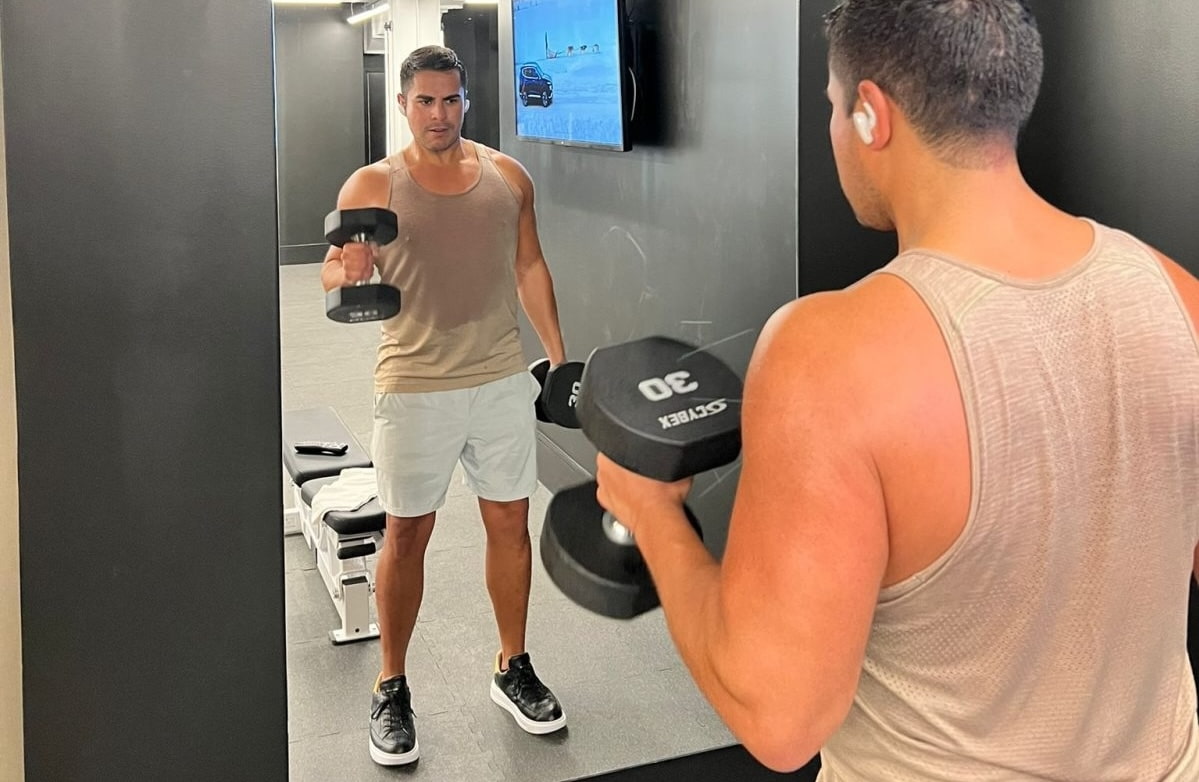
Vigorous exercise immediately after Botox is commonly discouraged as a precaution. Strenuous activity may temporarily worsen swelling or bruising, although evidence that exercise itself causes Botox to migrate is limited. For this reason, many providers recommend avoiding strenuous workouts for about 24 hours after treatment.
When Can You Go to the Gym After Botox?
When can you go back to the gym after Botox? As a conservative precaution, we generally recommend waiting 24 hours before returning to strenuous exercise. Gentle activity, such as walking, is usually fine during this time.
For the first 24 hours:
- Walking: Generally fine at an easy pace.
- Light cardio: Best kept gentle and low intensity.
- Running or HIIT: Wait until after the 24-hour period.
- Weightlifting: Avoid heavy lifting or strenuous strength training for 24 hours.
- Hot yoga or heated workouts: Wait at least 24 hours because heat and intense exercise may worsen temporary swelling or bruising.
After 24 hours, most people can gradually return to their normal workout routine if they feel well and have no significant side effects. Evidence that exercise itself causes Botox to migrate is limited, so these recommendations are mainly conservative aftercare precautions.
Botox Exercise Timeline
- First few hours: Normal gentle activity is generally fine. Avoid rubbing or putting pressure on the treated areas, and follow your injector’s instructions about staying upright.
- First 24 hours: Avoid strenuous exercise such as running, HIIT, heavy weightlifting, hot yoga, or other workouts that significantly raise your heart rate or increase heat and sweating.
- After 24 hours: Most patients can gradually return to their normal exercise routine if they feel well and have no significant swelling, bruising, or other side effects.
- If your injector gives different instructions: Follow those recommendations, since aftercare may vary depending on the treatment area and your individual circumstances.
Before and After Botox Results
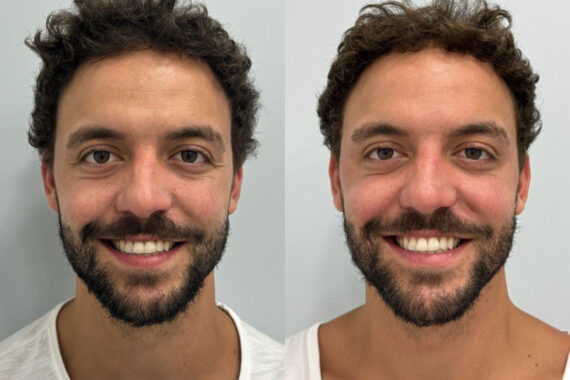
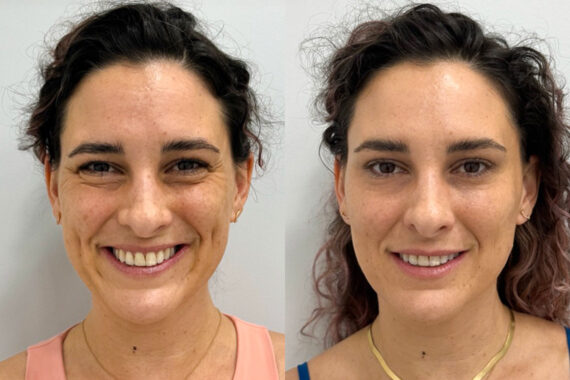
* All patients are unique and individual results may vary.
Navigating Exercise Post-Botox: Safe Practices
Once the initial 24-hour precaution period has passed, most people can gradually return to their usual exercise routine if they feel well and have no significant side effects.
Light Exercise and Cardio
Light cardio is a great way to ease back into your fitness routine after Botox. Here are some exercises you can try:
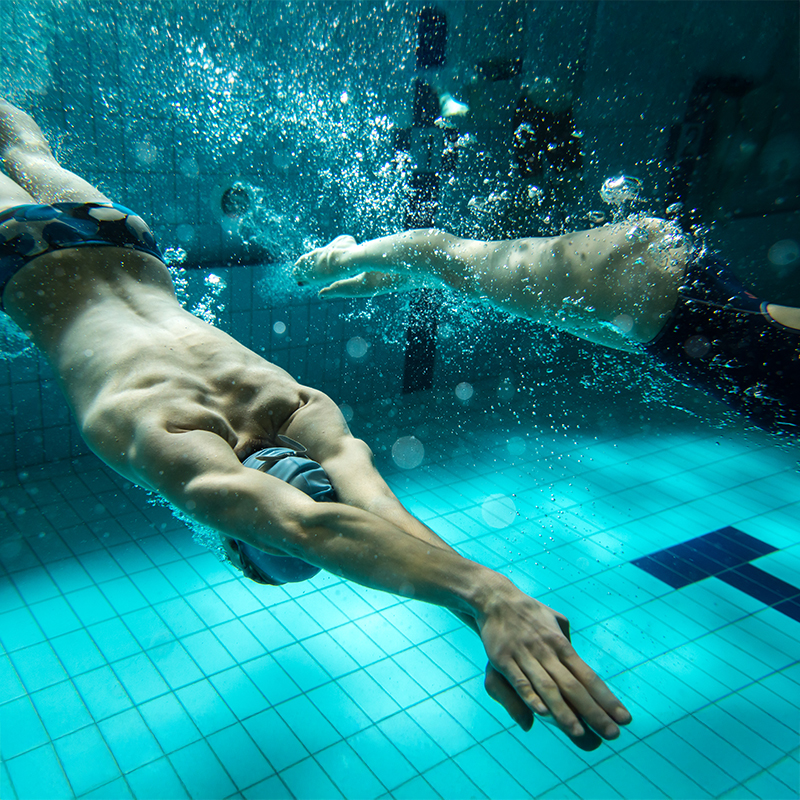
- Swimming
- Yoga
- Walking
- Cycling
It’s important to keep blood flow and the heart rate stable without a significant increase during aerobic exercise.
Start at a comfortable pace and avoid direct pressure on recently treated areas.

Flexibility and Balance Activities
Light stretching and yoga are generally fine once you return to exercise. During the first 24 hours, avoid strenuous or heated sessions and follow your injector’s guidance about inversions or positions that place pressure on treated areas.
Weight Lifting Considerations
When it comes to weight training post-Botox, a little caution goes a long way. Avoid exercises that compromise head positioning or put pressure on the injection site. Remember, maintaining your head upright is a key post-Botox instruction to minimize the risk of product migration.
Heavy lifting and strenuous strength training are best avoided for the first 24 hours. After that, most people can gradually return to their normal routine if they feel well and have no significant swelling or bruising.

Start Your Journey to Success, Don’t Wait Any Longer!
Join our satisfied patients who’ve experienced safe, effective treatments.
Recognizing and Managing Post-Botox Symptoms
Mild redness, tenderness, swelling, or bruising around the injection sites can occur after Botox and usually improve with time. If symptoms are worsening or unusual, contact your injector.
Seek immediate medical attention for serious symptoms such as difficulty breathing or swallowing, significant muscle weakness, or vision changes.
Maximizing Botox Benefits With Proper Post-Care
For the first 24 hours after Botox:
- Avoid saunas, hot tubs, and hot yoga, as heat may worsen redness or swelling.
- Do not rub, massage, or apply pressure to treated areas.
- Use gentle skincare and avoid aggressive rubbing.
- Follow your injector’s instructions about lying down, bending over, or staying upright.

Summary
Most people can return to normal exercise about 24 hours after Botox, while gentle activity is generally fine sooner. During the first day, avoid strenuous workouts, significant heat, and pressure on treated areas, and follow your injector’s specific aftercare instructions. If you develop unusual or worsening symptoms, contact your provider.
Frequently Asked Questions

Case Study: Consistent Botox Results and Comfortable Experience

Patient: Dari Correa
Visit Type: Botox
Overview
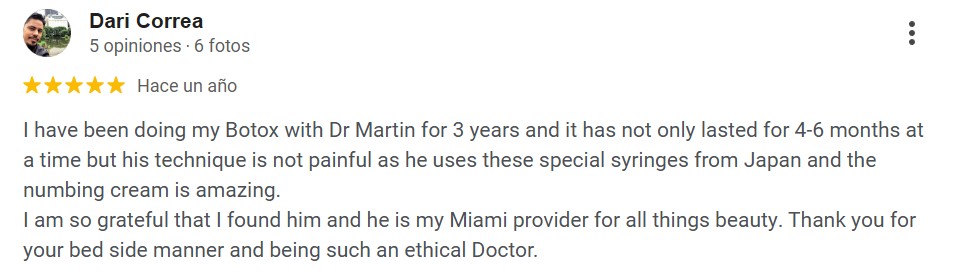
Dari has been a loyal patient for three years, coming regularly for Botox treatments. She reports that her results consistently last 4–6 months — longer than many typical Botox experiences — and that each visit is comfortable thanks to Dr. Martin’s technique.
Treatment Details
- Botox Technique: Dr. Martin uses ultra-fine syringes imported from Japan, which minimize discomfort.
- Comfort Measures: A strong numbing cream is applied before treatment, allowing for a pain-free experience.
- Frequency: Treatments are scheduled every 4–6 months to maintain smooth, natural results.
Outcome
- Long-lasting results with minimal touch-ups needed
- Virtually pain-free injections thanks to special equipment and numbing
- High trust and satisfaction — Dari considers Dr. Martin her go-to provider in Miami for all aesthetic needs
Key Takeaways:
- Patient Loyalty: Consistency in technique and results builds long-term relationships.
- Comfort Matters: The right tools (Japanese syringes) and numbing cream create a pain-free experience.
- Ethical Care: Dari highlights Dr. Martin’s professionalism and bedside manner as reasons she keeps coming back.Recognizing and Managing Post-Botox Exercise Symptoms