Chemical peels are among the most versatile professional skin care treatments available, used to address sun damage, uneven skin tone, acne, hyperpigmentation, fine lines, and overall complexion quality through the controlled application of a specialized chemical solution to the skin’s surface. But the question of safety across different skin types is a clinically important one, and the answer depends largely on which peel is selected, how it is formulated, and whether the provider has the expertise to match peel depth and chemistry to the individual patient’s skin. For most patients, professional chemical peels offer meaningful benefits when chosen and performed correctly.
At BODYWELLE in Miami Beach, Dr. Alonso Martin and his team offer medical-grade chemical peels using clinically tested formulations from ZoSkin Health by Obagi and SkinCeuticals, customized to each patient’s skin type, concerns, and tolerance.

What to Know About Chemical Peel Safety
- Chemical peels range from superficial light chemical peel treatments that address the epidermis to deeper formulations that penetrate multiple skin layers, and the safety profile differs significantly across this spectrum.
- Lighter peels using alpha hydroxy acids such as glycolic acid are generally well-tolerated across most skin types, including sensitive skin and certain skin types prone to reactivity.
- Medium peels using trichloroacetic acid (TCA) and deeper formulations carry a higher risk of post-inflammatory hyperpigmentation in patients with darker skin tones and require careful clinical assessment before use.
- At BODYWELLE, peel selection is guided by a thorough skin analysis, ensuring that treatment intensity is matched to skin condition, tone, and tolerance rather than applied by default.
- Professional chemical peels performed by qualified skin care specialists consistently outperform at-home exfoliation products in both depth of effect and clinical safety when appropriate protocols are followed.
What Is a Chemical Peel and How Does It Work?
A chemical peel is a cosmetic treatment that uses a precisely formulated acidic solution to accelerate the natural exfoliation process, dissolving the bonds between dead skin cells in the outer skin layers and prompting the shedding of damaged tissue to reveal the healthier, more uniform skin beneath. Depending on the concentration and type of chemical agent used, the peel may work at the level of the epidermis, penetrate into the upper dermis, or in the case of deeper formulations, reach the mid-dermis.
The skin’s response to this controlled exfoliation, increased cellular turnover, stimulation of collagen production, and improvement in pigmentation regulation, produces progressive improvement in skin texture, tone, and overall complexion quality. The benefits of chemical peels include reduction in the appearance of sun damage, age spots, fine lines and wrinkles, acne scars, uneven skin tone, and dullness.
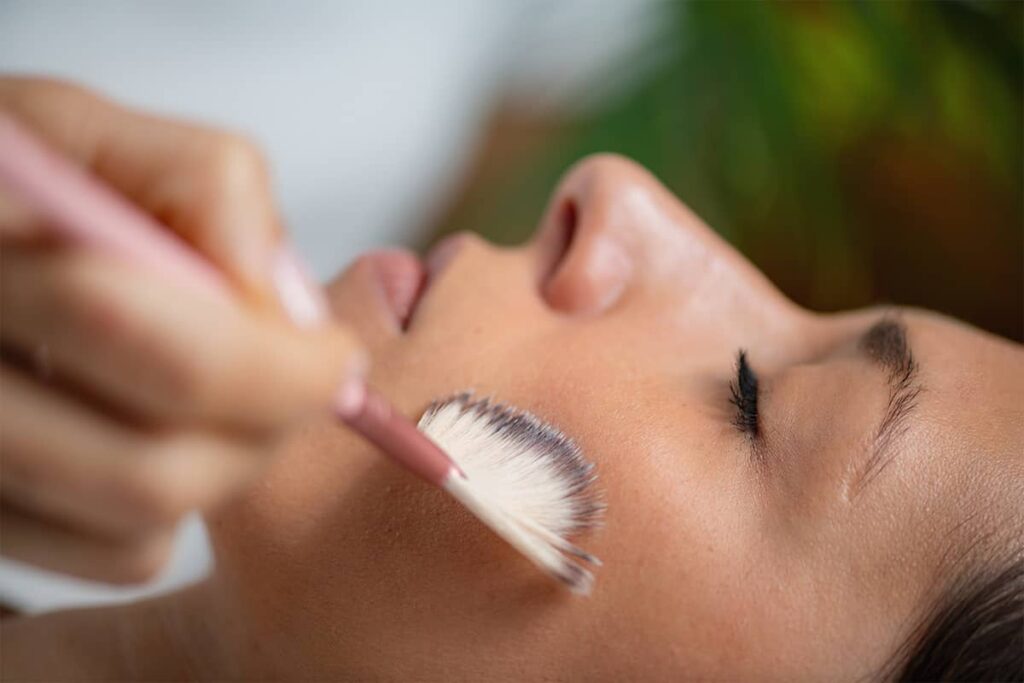
Common active ingredients used in professional chemical peels include alpha hydroxy acids (AHAs) such as glycolic acid for superficial exfoliation, beta hydroxy acids (BHAs) such as salicylic acid for oily skin and acne-prone skin, and trichloroacetic acid (TCA) for medium-depth correction.
How Chemical Peels Work Across Peel Depths
Light Chemical Peel: Superficial Exfoliation
A light chemical peel works at the level of the epidermis, using lower concentrations of glycolic acid, lactic acid, or salicylic acid to gently accelerate cellular turnover. This category of peel is well-suited to patients seeking general skin refreshment, improved radiance, mild pigmentation correction, and maintenance of youthful skin between more intensive treatments. Recovery is minimal, mild redness and light flaking for one to three days, and the treatment can be repeated every few weeks for cumulative improvement.
At BODYWELLE, the Luxury Light Peel falls into this category, designed to refresh dull or oily skin, reduce pore blockage, and support a clearer complexion with virtually no downtime.
Medium Chemical Peel: Deeper Correction
Medium-depth peels penetrate into the upper dermis using higher concentrations of TCA or layered acid combinations. They are more effective for established pigmentation, moderate sun damage, and textural irregularities, and produce more significant results than superficial peels. Recovery involves more pronounced peeling, beginning two to three days post-treatment and lasting up to a week. These peels require a more careful skin assessment — particularly for patients with darker skin tones, where the risk of post-inflammatory hyperpigmentation is higher with medium-depth treatments.
At BODYWELLE, the Advanced Deep Peel is a stronger professional peel designed for post-acne pigmentation, scarring, and more significant textural concerns, positioned toward this category of treatment.
Deep Chemical Peel: High Intensity, High Caution
True deep chemical peels, typically using phenol, penetrate to the mid-dermis and can produce dramatic improvements in deep wrinkles, significant sun damage, and severe pigmentation. However, they carry the most significant risk profile: extensive recovery of one to two weeks or more, contraindication for darker skin tones due to high risk of permanent pigmentation changes, and requirements for medical monitoring during the procedure. Deep peels of this intensity are not part of BODYWELLE’s standard treatment menu. Patients with concerns requiring that level of intervention are better served through a physician consultation to discuss alternative approaches, including energy-based treatments such as Morpheus8, which can address deeper skin remodeling with a more favorable safety profile across skin tones.
Start Your Journey to Success, Don’t Wait Any Longer!
Join our satisfied clients who’ve experienced safe, effective treatments.
Is Chemical Peel Treatment Safe for Different Skin Types?
Oily and Acne-Prone Skin
Chemical peels are among the most effective cosmetic treatments for oily skin and active acne management. BHA-based peels, particularly salicylic acid, are lipid-soluble, allowing them to penetrate the pore lining and address congestion at its source. Regular light peels support cellular turnover, reduce breakouts, and help clear post-acne pigmentation over time. Patients with oily skin generally tolerate chemical peels well and often see consistent improvement with a series of light to medium treatments.
Dry and Sensitive Skin
Patients with dry or sensitive skin can benefit from chemical peels, but formulation and concentration selection are critical. Lower-strength lactic acid peels, which are gentler than glycolic acid formulations, are often preferred for sensitive skin as they exfoliate while also supporting hydration. The goal is to achieve meaningful cellular renewal without compromising the skin barrier. Skin preparation in the weeks before treatment and appropriate post-care — including moisturizers and diligent sun protection — are particularly important for this skin type.
Darker Skin Tones
Darker skin tones require the most careful clinical assessment before any chemical peel. The higher melanin content in these skin types creates a greater risk of post-inflammatory hyperpigmentation — a darkening of the skin that can occur in response to the controlled inflammation that peels intentionally produce. Superficial peels with appropriate formulations can be safely performed on darker skin tones, but medium and deeper peels carry meaningful risk without thorough skin preparation protocols and experienced clinical oversight. At BODYWELLE, peel selection for patients with darker complexions is guided by careful skin analysis and a conservative approach that prioritizes safety alongside results.
Combination Skin
Patients with combination skin often present with oilier T-zone areas alongside drier or more sensitive cheek zones, requiring a peel approach that balances exfoliation across different skin conditions in the same treatment. Customized application, adjusting contact time or formulation by zone, is the most effective approach for this skin type and requires the kind of individualized assessment that professional chemical peels from experienced skin care providers offer over standardized at-home products.
Risks, Side Effects, and Who Should Approach With Caution
All chemical peels carry some degree of expected post-treatment response. Common side effects include redness, peeling, and temporary sensitivity — more pronounced with deeper formulations. These are normal and expected parts of the healing process rather than adverse events when treatment is appropriately selected and performed.
Patients who should approach chemical peels with particular caution or avoid them include:
- Those with active skin infections, open lesions, or inflammatory skin conditions, such as active acne breakouts, in the immediate treatment area
- Patients with a history of cold sores, who may require prophylactic antiviral medication before treatment to prevent outbreaks
- Those currently using isotretinoin (Accutane) or who have discontinued it within the past six to twelve months
- Patients with certain skin conditions, including eczema, psoriasis, or rosacea, in the proposed treatment area. Dr. Martin assesses these cases individually
- Patients with a history of skin cancer or actinic keratosis in the treatment area require physician evaluation before any resurfacing treatment
- Individuals who cannot commit to consistent sun protection and appropriate post-treatment skin care, as sun exposure to freshly peeled skin carries a meaningful risk of hyperpigmentation and prolonged recovery
How to Choose the Right Chemical Peel at BODYWELLE
The most reliable path to a safe, effective chemical peel is a thorough consultation that includes a detailed skin analysis, review of skin care products and medications currently in use, and an honest assessment of the patient’s concerns, skin type, and tolerance for downtime. At BODYWELLE, Dr. Martin and his team conduct this assessment before recommending any peel formulation, ensuring that the treatment matches the individual rather than defaulting to a standard protocol.
Pre-treatment preparation (which may include a period of using skin care products containing retinol or other priming agents to support even peel penetration and reduce the risk of pigmentation) is recommended for many patients, particularly those receiving medium-depth treatments. Post-treatment care, including gentle moisturizers, avoidance of makeup in the immediate post-peel period, and consistent sunscreen application, is essential for supporting results and protecting the newly revealed skin.
Frequently Asked Questions About Chemical Peels
Schedule Your Chemical Peel Consultation at BODYWELLE in Miami Beach
For patients in Miami Beach seeking professional chemical peels performed with medical-grade formulations and individualized clinical assessment, BODYWELLE offers a standard of skin care that supports both immediate results and long-term skin health.
Schedule your consultation with Dr. Alonso Martin and his team at BODYWELLE to determine which chemical peel treatment is appropriate for your skin type, concerns, and goals.