Quick answer: You do not always have to take Ozempic and Mounjaro forever, but some people stay on them long-term to maintain weight loss or manage type 2 diabetes. There is no fixed time limit if it remains safe, effective, and medically appropriate.
If you’re wondering how long you can stay on Ozempic or Mounjaro, the answer depends on your health goals, side effects, lab work, and how your body responds over time. In my practice, I do not look at these medications as “forever or nothing.” Some patients use them temporarily, while others continue long-term when the benefits outweigh the risks.
At BODYWELLE in Miami Beach, I help patients navigate these decisions with a personalized weight management approach based on their health history, progress, and long-term needs. As GLP-1 medications like Ozempic and Mounjaro become more common, I believe it is important to address the questions patients ask most often: how long treatment should continue, what side effects to watch for, and what happens if the medication is adjusted or stopped.

Key Takeaways
- Many patients use Ozempic or Mounjaro for 6 to 24 months as part of a structured plan, while others continue longer with medical supervision.
- These medications can be used long-term if they remain safe and effective.
- Weight loss is typically fastest in the first 3–6 months, then slows over time.
- Stopping treatment may lead to increased appetite and possible weight regain.
- The ideal duration depends on your goals, health, and medical guidance.
Do You Have to Take Ozempic or Mounjaro Forever?
When patients ask me if they have to take Ozempic or Mounjaro forever, I explain that the answer is not the same for everyone. Some patients use these medications temporarily to support weight loss, while others may stay on them long-term if they are helping with blood sugar, appetite control, or weight maintenance.
The most important thing is that we do not treat these medications as a quick fix. I monitor each patient’s progress, side effects, lab work, and long-term goals so we can decide whether to continue, adjust the dose, switch medications, or eventually taper off safely. According to FDA prescribing information, Ozempic is used along with diet and exercise to improve blood sugar control in adults with type 2 diabetes, which is why some patients may need ongoing treatment rather than a short course.
How Long Can You Stay on Ozempic for Weight Loss?
Many patients who are prescribed Ozempic as part of a weight management plan use it for 6 to 24 months, while others continue longer when it remains safe, effective, and medically appropriate. When used for diabetes, it’s often taken long-term. There is no strict time limit as long as the medication remains safe and effective.
- Listen to your body: Mild side effects like nausea or stomach aches usually get better with time. If they’re too strong, your doctor might lower your dose or stop the medication.
- Think about your goals: If you’re using it for weight loss, you might stay on it until you hit your goal, and maybe a bit longer to help keep the weight off. For diabetes, many people stay on it long-term to keep their blood sugar steady.
- Talk to your doctor: They’ll check in on you, look at your labs, and make sure the medication is still right for you.
- Everyone’s different: Some people need it for a few months, others for years. Your health, progress, and how you feel will help guide the decision.
How Long Can You Stay on Ozempic for Diabetes?
For patients with type 2 diabetes, Ozempic is often used as a long-term treatment rather than a short-term weight loss medication. The goal is to help improve blood sugar control, support metabolic health, and reduce certain diabetes-related risks when appropriate.
I usually evaluate continued use by looking at A1C, weight changes, kidney function, side effects, and how well the patient is tolerating the medication. Some patients may stay on Ozempic for years if it remains safe and effective, while others may need a dose adjustment, a different medication, or a supervised plan to stop. Following FDA prescribing information, Ozempic is approved as an addition to diet and exercise to improve blood sugar control in adults with type 2 diabetes.
How Long Can You Stay on Mounjaro?
Mounjaro can be used long-term as long as it remains safe and effective under medical supervision. Many people stay on it for several months to years, depending on their response to treatment and overall health. There is no fixed time limit for how long you can take it.
- No official time limit: You can stay on Mounjaro as long as it’s working for you and your doctor thinks it’s safe.
- Regular check-ins: Your doctor will want to see how you’re doing and adjust things if needed.
- Maintenance mode: After you hit your goal weight, you might stay on a smaller dose to help keep the weight off.
- Research shows it works long-term: Studies show people can keep losing weight for up to 88 weeks (almost two years!).
- It’s personal: Your plan depends on your starting weight, health, and how well you’re keeping up with diet and exercise.
Start Your Journey to Success, Don’t Wait Any Longer!
Join our satisfied clients who’ve experienced safe, effective treatments.
What Happens When You Stop Ozempic or Mounjaro?
When patients stop Ozempic or Mounjaro, appetite can return, cravings may increase, and weight regain is possible without a strong maintenance plan. For patients with prediabetes or type 2 diabetes, blood sugar levels may also rise after stopping treatment.
I always recommend making this decision with medical guidance rather than stopping abruptly. In clinical studies, people who stopped semaglutide or tirzepatide often regained weight, while continued treatment helped maintain more of the weight loss. This is why I focus on building a transition plan that may include nutrition changes, resistance training, protein goals, lab monitoring, dose adjustments, or switching medications when appropriate.
At BODYWELLE, the goal is not to keep every patient on medication forever. The goal is to help each patient maintain results safely, whether that means continuing treatment, lowering the dose, changing medications, or tapering off with a structured plan.
Is It Safe to Take Ozempic or Mounjaro Long Term?
Ozempic and Mounjaro may be used long-term when they are effective, well-tolerated, and monitored by a medical provider. I look at each patient’s progress, lab results, side effects, and overall health before deciding whether continued treatment is appropriate.
Long-term monitoring may include checking for:
- Ongoing nausea, constipation, reflux, or stomach discomfort
- Signs of gallbladder problems or pancreatitis
- Blood sugar changes, especially in patients taking diabetes medications
- Kidney function, hydration, and nutrition status
- Pregnancy plans, since these medications are not used during pregnancy
- Whether the current dose is still necessary or should be adjusted
The goal is to use the lowest effective strategy for each patient, whether that means continuing, lowering the dose, switching medications, or tapering off with a plan.
What Are the Long-Term Effects of Ozempic or Mounjaro?
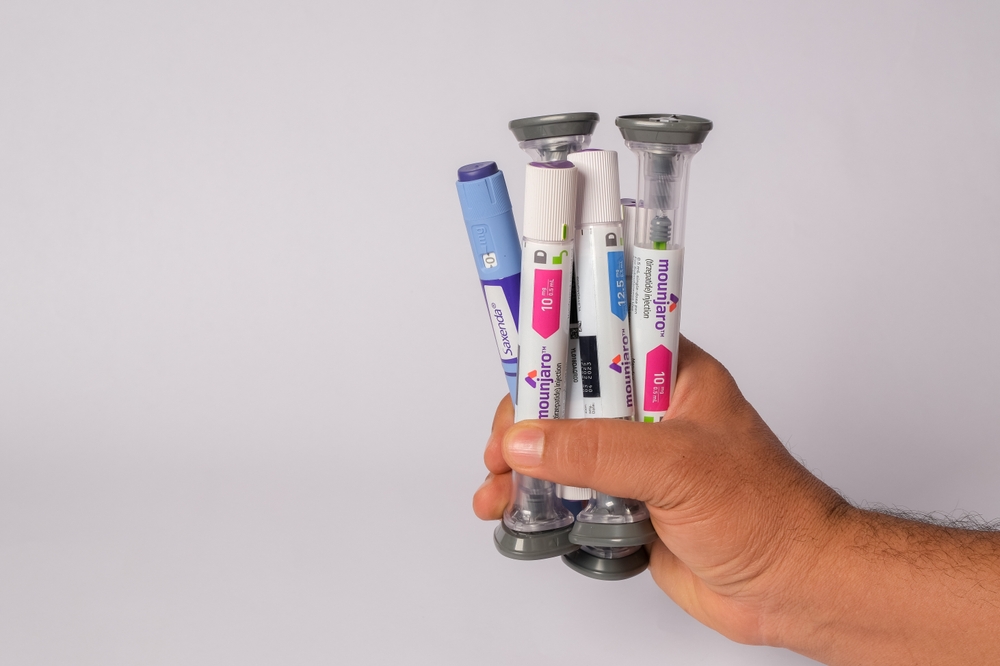
Long-term use of Ozempic or Mounjaro may continue to support appetite control, weight maintenance, improved blood sugar, and better metabolic markers in some patients. Over time, weight loss may slow or plateau as the body adapts.
Some patients may also notice ongoing digestive symptoms, fatigue, appetite changes, or reduced response over time. I monitor these changes through follow-up visits, lab work, and dose adjustments so treatment remains safe and appropriate.
What to Expect Over Time on Ozempic or Mounjaro
Over time, Ozempic and Mounjaro lead to changes in appetite, weight, and metabolism that happen in phases. Most people see the fastest results early on, followed by steady progress and eventually a plateau as the body adapts to the medication. Looking at an Ozempic results timeline week by week can help patients understand how these phases usually unfold.
- In the first few months:
- By 3-6 months:
- By the 6-12 month mark:
- In long-term users (18 months or longer):
- Appetite and cravings drop noticeably
- You may lose 5-10% of your starting weight
- Blood sugar levels stabilize
- Weight loss continues at a steady pace
- Eating habits and portion control improve
- Weight loss often reaches 15% or more in some patients
- Digestion may slow, and some people experience constipation or mild gastrointestinal effects
- You may need to adjust your dose as your body acclimates
- Weight loss may plateau
- Appetite may slowly return if habits haven’t changed
- Some people experience diminishing returns or side effects like fatigue or nausea
I monitor every stage closely to ensure patients stay on the right dose, receive lab testing as needed, and avoid significant side effects or nutritional deficiencies.

When Should You Stop or Switch Ozempic or Mounjaro?
There’s no one-size-fits-all answer for how long can I be on Ozempic for weight loss. Some patients remain on it (or Mounjaro) for years. Others may reach their goal weight and want to transition off. A personalized approach is key.

You may want to consider stopping or switching medications if:
- You’ve reached your weight loss goals and can maintain them with healthy lifestyle changes
- You’re experiencing persistent side effects (like nausea, bloating, or fatigue)
- Your results have plateaued for 6+ months despite consistent dosing
- Bloodwork suggests inflammation, liver changes, or other risks
- You’re preparing for pregnancy (these medications are not safe during pregnancy)
At BODYWELLE, medication is always part of a larger strategy—not a long-term crutch. I use advanced biomarker testing and body composition analysis to determine when it’s time to reduce or stop injectable medications, and what alternatives may help you stay on track.
Signs Your Treatment Plan May Need Adjustment
Your treatment plan may need to be adjusted if weight loss stalls, side effects become harder to manage, or your goals change. I look at symptoms, lab work, body composition, and lifestyle habits before deciding whether to change the dose, continue treatment, switch medications, or taper off.
Your plan may need adjustment if you notice any of the following:
- Weight loss has completely stalled for 3-6 months.
- You’re experiencing new or worsening gastrointestinal symptoms.
- You’re having difficulty staying consistent with dosing or injections.
- You feel fatigued or emotionally drained.
- You’re approaching a goal weight but unsure how to maintain it.
You may also want to reassess your goals. For some patients, weight loss is just one part of a broader effort to optimize energy, reduce inflammation, or prevent chronic disease. In those cases, shifting to a long-term wellness plan that includes hormonal health optimization, nutrition support, or mitochondrial function testing may offer even better outcomes.

Medical Weight Loss Support at BODYWELLE
GLP-1 medications like Ozempic and Mounjaro have changed the way we approach obesity and chronic weight management. The treatments show strong effectiveness but require implementation through a comprehensive medical program for their results to endure.
At BODYWELLE in Miami Beach, I help patients use medications like Ozempic, Mounjaro, Wegovy, and Zepbound as part of a broader medical weight loss plan. That includes reviewing health history, monitoring lab work, adjusting treatment when needed, and building a realistic maintenance strategy.
If you are wondering how long you should stay on Ozempic or Mounjaro, the safest answer is a personalized one based on your body, your goals, and your long-term health.
To learn more about our weight loss program or schedule a consultation, visit BODYWELLE or speak with a member of the care team.