For patients researching advanced weight loss drugs, understanding retatrutide side effects is an essential part of the decision-making process. Retatrutide is an investigational triple receptor agonist developed by Eli Lilly that has generated significant interest in the field of metabolic medicine — and for good reason.
Early clinical trial data from phase 2 studies reported average weight reductions of approximately 24% of body weight at the highest dose over 48 weeks, results that exceed what has been observed with medications like semaglutide or tirzepatide. But like any pharmacologically active peptide, retatrutide comes with a side effect profile that patients and clinicians need to understand before starting treatment.
At BODYWELLE in Miami Beach, Dr. Alonso Martin guides patients through modern weight management options with a clinically rigorous, individualized approach — ensuring that every treatment decision is grounded in evidence and tailored to each patient’s specific profile.
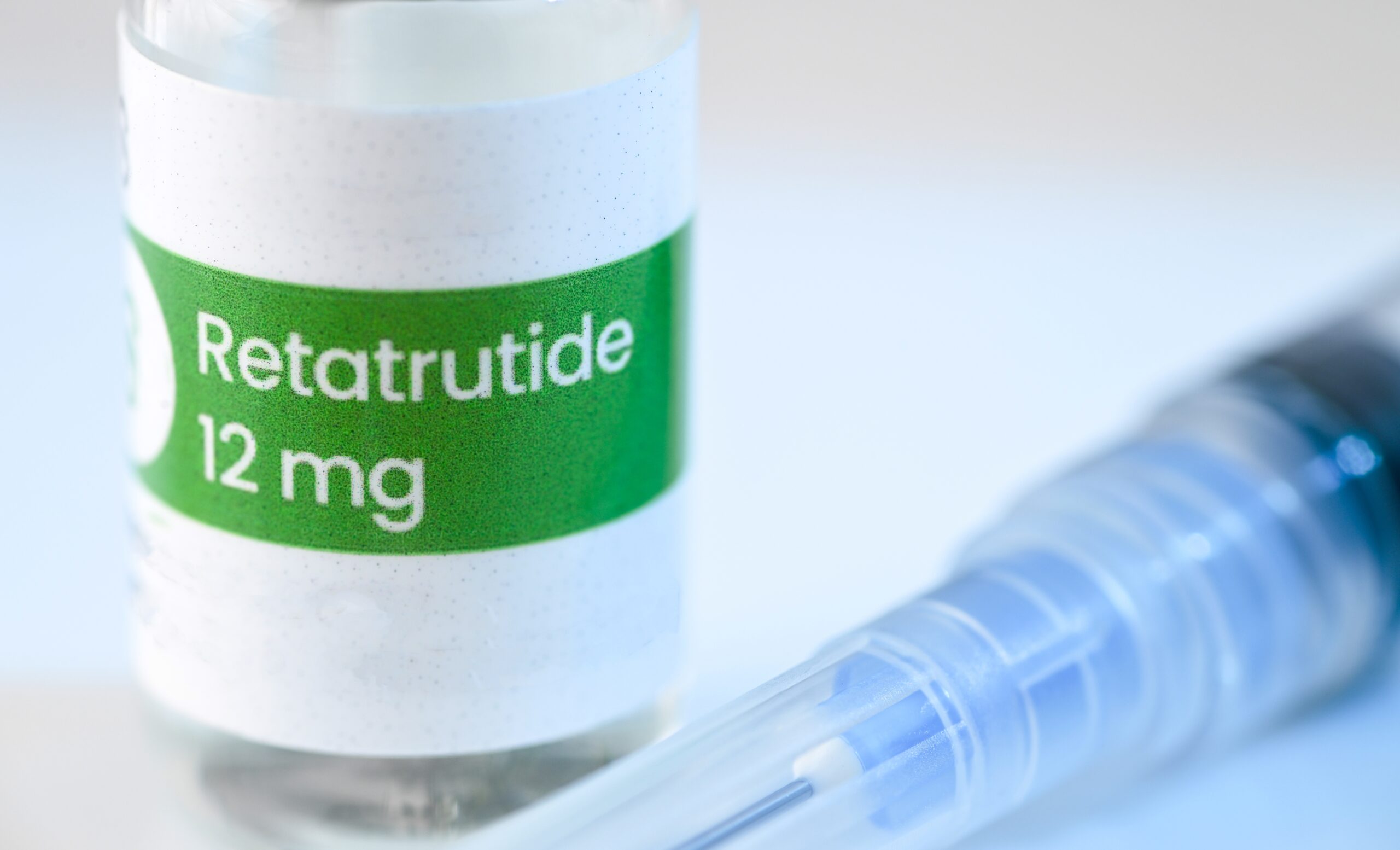
What the Clinical Data Shows About Retatrutide Safety
- Gastrointestinal symptoms are the most commonly reported adverse events, consistent with other GLP-1-based therapies
- Side effect intensity is closely tied to retatrutide dose level and the speed of escalation
- Most adverse events are mild to moderate and diminish over time with gradual dose escalation
- Serious side effects are rare but require ongoing monitoring and prompt medical guidance
- The benefits of retatrutide in terms of significant weight loss and metabolic health improvements are well-supported by early clinical studies
How Retatrutide Works and Why Gastrointestinal Symptoms Occur
Retatrutide is a triple agonist that simultaneously activates GLP-1, GIP (glucose-dependent insulinotropic polypeptide), and glucagon receptors — a mechanism that distinguishes it from the dual agonist tirzepatide and from single-pathway medications like semaglutide. By engaging all three hormone pathways, retatrutide exerts a broader effect on appetite suppression, energy expenditure, insulin release, and glucagon secretion than any currently approved weight loss medication.
The same receptor agonist activity that drives fat loss and improved blood sugar control also directly influences gastrointestinal motility. GLP-1 receptor activation slows gastric emptying — which is central to appetite regulation but also the primary mechanism behind the nausea and digestive symptoms commonly reported during treatment. This is not a unique feature of retatrutide; it is a class effect observed across GLP-1-based therapies. What differs is the degree, given retatrutide’s potency at higher doses.
Start Your Journey to Success, Don’t Wait Any Longer!
Join our satisfied clients who’ve experienced safe, effective treatments.
Common Side Effects of Retatrutide: What Clinical Trials Show

Gastrointestinal Symptoms and Digestive Side Effects
Gastrointestinal side effects represent the most frequently reported adverse events in retatrutide clinical trials, with nausea being the most prevalent. In phase 2 data, nausea rates ranged from approximately 14% at the lowest dose to 60% at the 12 mg dose — a clear dose-dependent pattern. Vomiting, diarrhea, and constipation were also reported, particularly at higher doses. These gastrointestinal issues were generally mild to moderate in severity and, importantly, most resolved as participants’ bodies adapted during the dose escalation period.
Headaches and injection site reactions — including mild redness or irritation at the weekly injection site — were also documented in trial participants, though these were less commonly reported than gastrointestinal symptoms.
The clinical data consistently shows that gradual dose escalation is the most effective strategy for minimizing these effects. Participants who began at lower doses and increased incrementally reported better tolerability than those who escalated more rapidly. At BODYWELLE, Dr. Martin applies individualized titration protocols to support each patient’s comfort and reduce early dropout risk during treatment.
Rare Side Effects and Serious Adverse Events
Serious Side Effects: Gallbladder Disease and Pancreatitis
Serious side effects with retatrutide are uncommon but warrant clinical attention. Gallbladder disease, including gallstones, has been observed in association with GLP-1 receptor agonist therapies broadly, and retatrutide trials are monitoring for similar outcomes. Pancreatitis is a rare but recognized risk with this class of medication — no confirmed causal signal has been established specifically for retatrutide, but it remains a monitored endpoint in ongoing trials.
Patients with a personal or family history of medullary thyroid carcinoma or multiple endocrine neoplasia syndrome type 2 are expected to be contraindicated based on the drug’s structural similarity to existing GLP-1 agents, though formal contraindications will be more clearly defined as phase 3 trial data matures.
Allergic reactions, while rare, have been reported and should be distinguished from typical injection site responses. Any signs of a systemic reaction — including difficulty breathing, swelling, or significant skin changes — require immediate medical evaluation.
Heart Rate and Metabolic Monitoring
A notable finding in retatrutide trials is a modest increase in resting heart rate — approximately 5 to 10 beats per minute — observed during treatment, peaking around week 24 before tapering. This is consistent with the glucagon receptor component of the drug’s mechanism.
Liver enzyme elevations (ALT and AST) were also transiently observed in a minority of participants during dose increases, generally resolving without intervention. Ongoing monitoring of cardiovascular markers, hepatic function, renal parameters, and blood sugar control is standard protocol during retatrutide treatment.
The Benefits of Retatrutide in Context
Understanding the side effect profile of retatrutide requires weighing it against the drug’s clinical potential. Phase 2 trial data demonstrated average weight loss of approximately 24% of body weight at the 12 mg dose over 48 weeks — with weight loss curves still declining at the end of the study period, suggesting a plateau had not yet been reached. Improvements in metabolic health markers, including fasting plasma glucose, HbA1c, BMI, and waist circumference, were also significant compared to placebo.
For patients managing obesity or diabetes, these outcomes represent a meaningful clinical advance. The rate of treatment discontinuation due to adverse events was comparable to other effective medications in the same class, suggesting that with proper dosing and medical supervision, most patients can tolerate the treatment course.
Schedule Your Weight Loss Consultation With Dr. Martin at BODYWELLE
Retatrutide remains an investigational drug, currently unavailable by prescription outside of clinical trials. For patients with questions about retatrutide, its trajectory toward FDA approval, or the weight management options currently available at BODYWELLE, the first step is a thorough medical evaluation. Dr. Martin reviews each patient’s metabolic profile, health history, and clinical objectives to determine the most appropriate course of treatment — whether that involves established options like semaglutide or emerging therapies as they become available.
Schedule your consultation at BODYWELLE in Miami Beach to explore your options and take the next step in your weight loss journey with the guidance of an experienced physician.