Quick answer: Botox wearing off after 1 month is earlier than expected, while fading around 6 weeks or 2 months is still shorter than the typical 3- to 4-month result. Common reasons include a fast metabolism, strong facial muscles, too few units, missed treatment areas, first-time Botox, intense exercise, or, rarely, resistance to the product.
As a doctor, I usually tell patients that Botox should last around 3 to 4 months, but some people notice movement returning much sooner, sometimes after 1 month, 6 weeks, or 2 months. If you are wondering, “why does my Botox wear off so fast?”, it does not always mean the Botox “failed,” but it does mean we should look closely at the dose, muscle strength, treatment area, and injection pattern.
In my experience, early Botox wear-off is most often related to strong facial muscles, a fast metabolism, a very active lifestyle, conservative dosing, or the first treatment session. Less commonly, it may be related to product handling, missed muscle activity, or resistance to the neurotoxin.

Key Takeaways: Why does my Botox wear off so fast?
- Fast metabolism. Your body clears Botox more quickly if you are young or exercise often.
- Strong muscles. Larger or stronger facial muscles may regain movement sooner.
- First session. Results fade faster the first time. Later sessions often last longer.
- Low dose. Too few units mean your muscles recover faster.
- Missed spots. Wrong placement leaves some muscle activity.
- Product handling issues. Botox may be less effective if it is not stored, mixed, or handled correctly.
Ask your injector to review your dose, muscle strength, and injection pattern. You may need adjusted units, better placement, or a different neurotoxin such as Dysport or Xeomin.

Why Is My Botox Wearing Off After 2 Months?
Botox wearing off after 2 months is shorter than the usual 3- to 4-month result, but it can happen. According to the American Society of Plastic Surgeons, Botox typically lasts 3 to 4 months, although some patients may see results lasting closer to 2 months.
Common reasons include strong facial muscles, a fast metabolism, a very active lifestyle, too few units, or a conservative treatment plan. If your Botox only lasted 2 months, ask your injector to review your dose, injection pattern, and treatment area.
Botox Wearing Off After 6 Weeks: Is That Normal?
Botox wearing off after 6 weeks is earlier than expected. According to the official BOTOX Cosmetic prescribing information, the duration of effect for glabellar lines is approximately 3 to 4 months.
If wrinkles or muscle movement return strongly at 6 weeks, the dose may have been too low, the treated muscles may be very strong, or some active areas may have been missed. A follow-up appointment can help determine whether your next treatment needs adjusted units, better placement, or a different approach.
When Does Botox Start to Wear Off? Botox Timeline
Botox does not usually wear off all at once. Most patients see full results within 10 to 14 days, then the effect gradually softens over the next few months. If Botox starts wearing off after 1 month, 6 weeks, or 2 months, it may be related to dose, muscle strength, metabolism, or injection placement.
| Time After Botox | What You May Notice |
|---|---|
| Days 1–3 | Botox begins to take effect, but the results are not final yet. |
| Days 10–14 | Full results are usually visible, and this is the best time to judge the treatment. |
| 4–6 weeks | Early movement may return if the dose was low, the muscles are strong, or some areas were missed. |
| 2 months | Some fading can happen, but full wear-off at this point is shorter than expected. |
| 3–4 months | This is the typical Botox maintenance window for many patients. |
| After 4 months | Muscle movement usually continues to return gradually, and wrinkles may become more noticeable again. |
Top 6 Reasons Why Your Botox Wore Off After Only 1 Month
While standard Botox results usually last 3 to 4 months, noticing your movement return in just a few weeks can be frustrating. An early fade is typically triggered by one of the following physiological or clinical factors:

Underdosing (Not Enough Units Treated)
Correct dosage is key to longevity. Larger or stronger muscles need more units to fully relax and hold the results. If too little product is used, often in an attempt to save money or achieve a “lighter” look, the muscles will regain their movement much faster, leading to a quicker wear-off. A good injector always adjusts the dosage based on your specific muscle size, strength, and the treatment area to ensure consistent and long-lasting results.

High Metabolism and Active Lifestyle
A fast metabolism clears Botox from your system more quickly. People with faster metabolic rates, including athletes and those with high physical activity, often see results fade sooner. Furthermore, intense exercise, high stress levels, sun exposure, smoking, and vaping can all shorten the lifespan of your Botox results by breaking down the product faster than normal.

Strong Facial Muscle Activity
Frequent facial movement, especially around the eyes and forehead, naturally breaks down Botox faster. Larger or stronger facial muscles resist the neurotoxin more robustly and need more product to stay relaxed. If you are highly expressive, your results may not last as long without an adjusted dose.
First-time Botox users often notice results fade faster as well, but with repeated sessions over time, the muscles gradually weaken, and results begin to last longer.
Injector Technique and Precision
The skill of your injector directly affects how long your Botox lasts. A trained professional knows facial anatomy intimately and places the neurotoxin at the correct depth and directly into the right muscles. If the placement is imprecise or if certain spots are missed, some muscle fibers will remain active. This not only leads to uneven results but also causes the overall cosmetic effect to wear off much sooner.
Product Storage and Quality
Botox is a delicate biologic product that must be handled with strict protocols. If the neurotoxin is stored incorrectly, exposed to improper temperatures, or reconstituted (diluted) improperly, it loses its strength. A weak or degraded product will simply not provide the 3 to 4 months of longevity you expect.
Botox Resistance (Antibody Formation)
Although rare, some patients develop a true clinical resistance to Botox over time. If you receive injections too frequently (typically earlier than the recommended 3-month mark) or receive very high doses over a long period, your immune system may recognize the botulinum toxin as a foreign invader and create antibodies against it. This neutralizes the Botox, causing it to wear off in just a few weeks. In these cases, your provider may recommend switching to a different neurotoxin brand, such as Xeomin or Daxxify, to achieve the desired results.
Before and After Botox Results
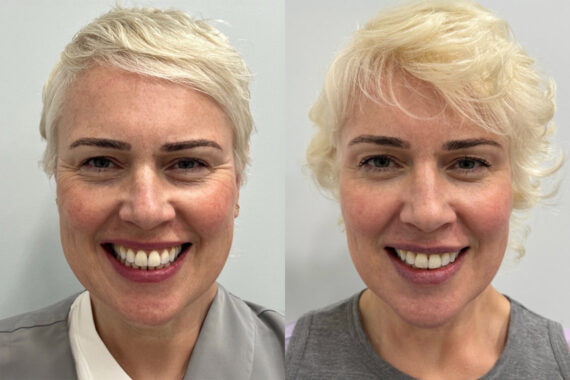
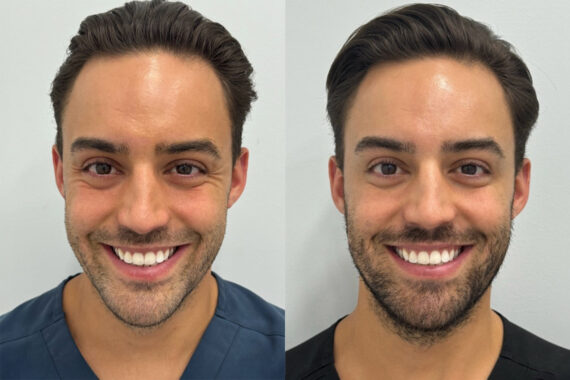
* All patients are unique and individual results may vary.
How Long Botox Lasts and What Affects Its Duration
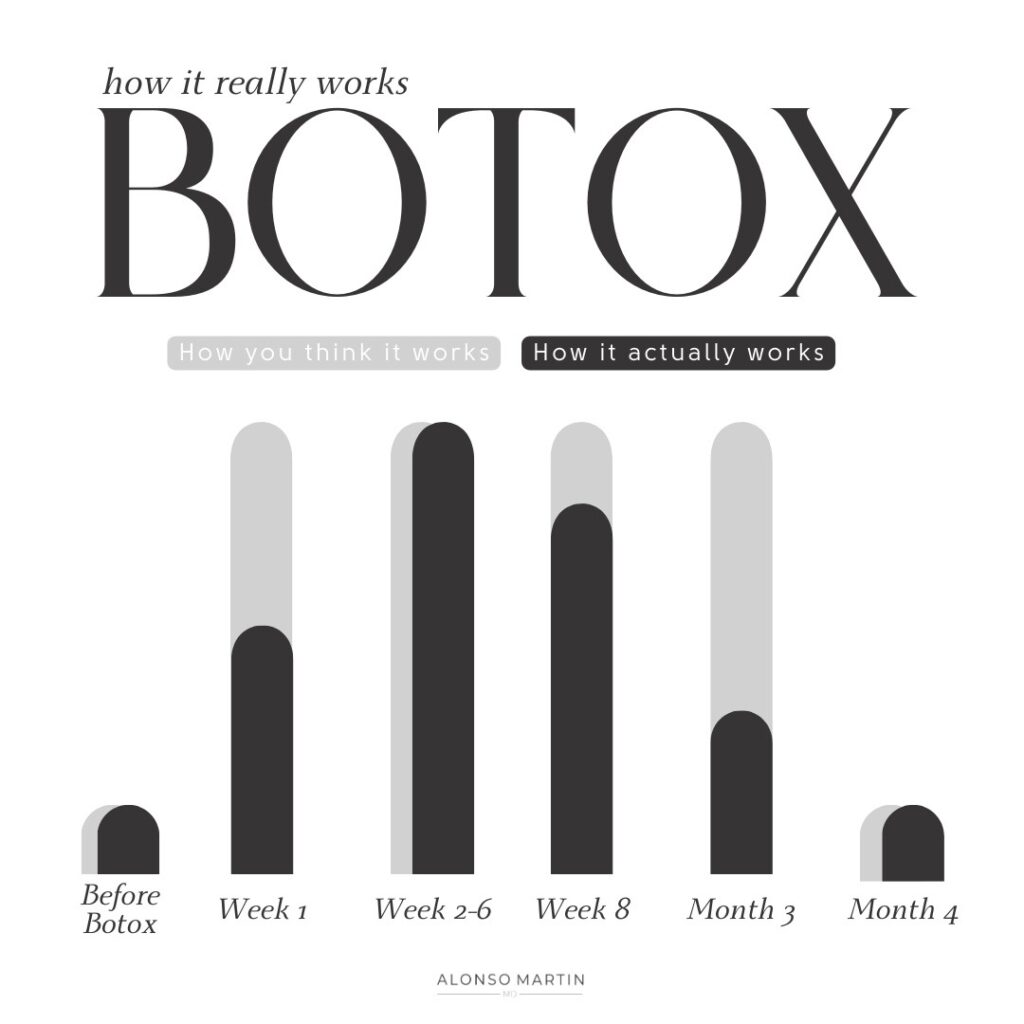
Botox results usually last between 3 and 4 months. The treatment works by temporarily blocking nerve signals that cause muscles to contract. Over time, the body gradually restores these nerve signals, and muscle movement slowly returns.
Most patients begin to notice Botox wearing off around the third month. However, the exact timeline varies depending on several factors:
- Metabolism: A fast metabolism clears Botox faster. Athletes often notice shorter results.
- Muscle size and activity: Larger or stronger muscles need more product and wear off quicker.
- Area treated: Small areas like crow’s feet last longer than large areas like the forehead.
- Amount used: Too little product fades faster.
- Injection technique: Precise placement keeps results consistent.
- Age and lifestyle: Younger people and those who exercise often, spend time in the sun, or smoke see shorter effects.
First-time Botox users often notice results fade faster than expected. During early treatments, the muscles are still strong and active. With repeated Botox sessions over time, the muscles may gradually weaken, which can help the results last longer between treatments. Most people schedule treatments every 3 to 4 months to keep a smooth look.
How Long Should Botox Last in the Forehead?
Forehead Botox usually lasts around 3 to 4 months, but it may fade sooner if the frontalis muscle is strong, the dose is conservative, or the forehead is highly expressive. According to the official BOTOX Cosmetic prescribing information, forehead lines are treated with glabellar lines, with a recommended total dose of 40 units.
Because the forehead helps lift the brows, your injector may use a careful dose to soften lines without causing brow heaviness. If forehead Botox wears off after 1 month, 6 weeks, or 2 months, ask your injector to reassess the dose, placement, and nearby frown-line muscles.
What to Do When Botox Stops Working
If Botox seems to stop working, wait 10 to 14 days before judging the final result. The American Society of Plastic Surgeons notes that final results can take up to 2 weeks.
If movement returns much earlier than expected, take photos, note when it came back, and schedule a follow-up. Your injector can review the dose, placement, muscle strength, and whether another neurotoxin such as Dysport, Xeomin, or Daxxify may be a better fit.
Start Your Journey to Success, Don’t Wait Any Longer!
Join our satisfied patients who’ve experienced safe, effective treatments.

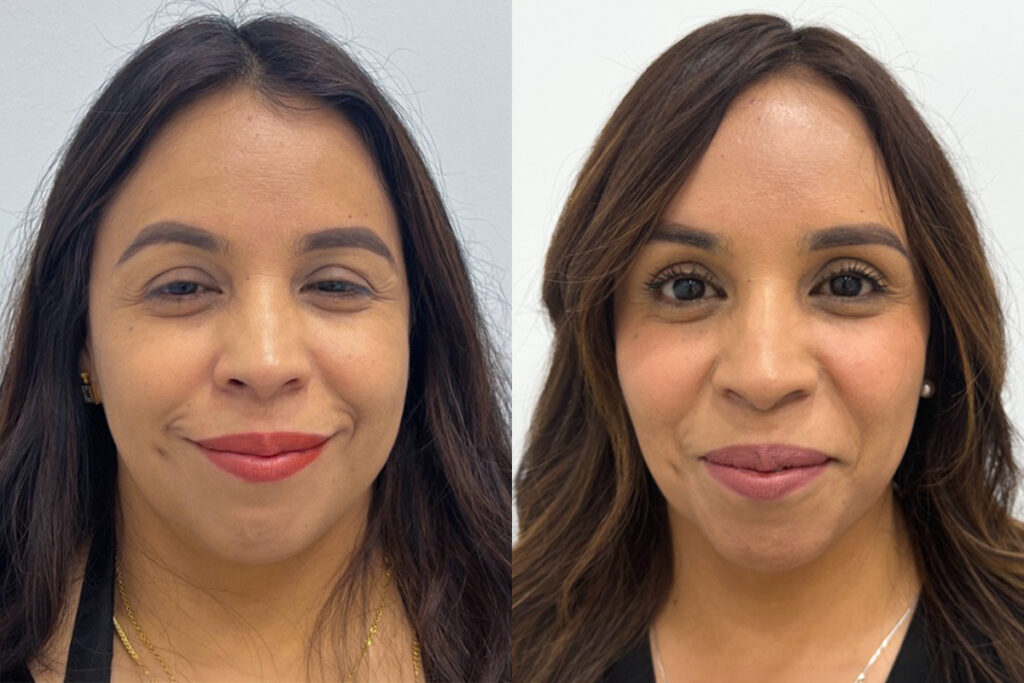
Case Study: Long-Term Patient Returns for Botox, Fillers, and IPL

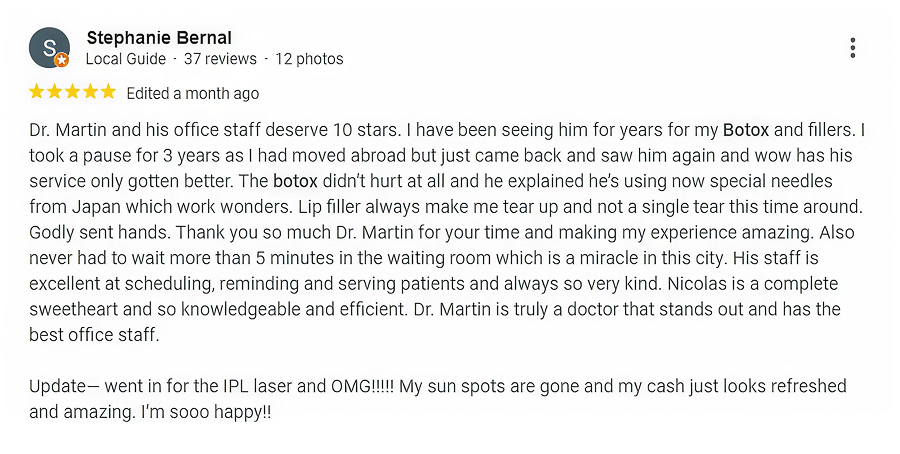
Patient: Stephanie Bernal
Visit Type: Botox, Lip Filler, and IPL Laser Treatment
Stephanie had been a patient for several years before moving abroad for three years. On her return, she scheduled Botox and lip filler.
During treatment, I explained that we now use fine needles sourced from Japan. These needles reduce pain during Botox injections. Stephanie reported no discomfort and no tearing during lip filler treatment, which had caused tears in past sessions.
We also performed IPL laser for sun spots. After treatment, Stephanie reported her skin looked refreshed and her sun spots were gone.
Key points from this case:
- Fine Japanese needles reduced pain and improved comfort during Botox.
- Lip filler caused no tearing for the first time.
- IPL laser cleared visible sun spots and improved overall skin tone.
- Minimal wait time and smooth scheduling contributed to a positive patient experience.
- Stephanie expressed strong satisfaction with her results and the care provided by our staff.
How can I extend the effects of Botox?
To extend Botox effects, consider implementing certain strategies, such as post-treatment aftercare and regular maintenance treatments, which are part of the Botox process.
Post-Treatment Aftercare
Proper aftercare can help prolong Botox effects. Here are some tips to follow:
- Avoid alcohol after receiving Botox.
- Avoid exercise after Botox for 24 hours.
- Do not lie down for at least 4 to 6 hours.
- Avoid touching or rubbing treated areas.
- Maintain a healthy diet to support overall skin health.
- Stay hydrated to sustain the rejuvenating effect of the treatments.
- Avoid facials, face massage, Gua Sha treatments, or other mechanical pressure to the skin for 72 hours after Botox treatments.
Engaging in these post-injection practices can help extend the duration of your Botox results.
Regular Maintenance Treatments
Regular maintenance treatments can also help sustain Botox results and prevent the reappearance of wrinkles. Patients should return for follow-up treatments around every three to four months as the product begins to wear off, much like routine haircuts or facials.
Some patients notice that results last longer with consistent maintenance, especially as treated muscles become less active over time. According to Cleveland Clinic, future Botox injections may last longer as the treated muscles weaken. First-time Botox users may note shorter-lasting effects, as multiple sessions are often required for muscles to adapt to the botulinum toxin, which can lead to prolonged benefits from subsequent treatments.
While regular maintenance is vital, avoid having Botox sessions too frequently to prevent a higher risk of developing antibodies to the drug.
Alternatives and Complementary Treatments to Botox
Should you experience a quick wear-off of Botox, alternatives such as hyaluronic acid fillers might be worth considering. Different brands of botulinum toxin, including Dysport and others, may offer varying durations of efficacy as alternatives to Botox. Combining Botox with other aesthetic treatments could potentially increase the cosmetic benefits and extend their duration.
Daxxify is made from Botulinum toxin type A with the addition of peptides in the formula. Daxxify results last longer than Botox, typically 1-2 months longer than Botox and other neurotoxins. With this longevity formula, Daxxify patients can expect to kiss away those wrinkles and enjoy longer-lasting results.

Summary
In conclusion, while Botox is an effective treatment for reducing the appearance of wrinkles, it’s important to understand that its effects are temporary and influenced by various factors such as metabolism, muscle activity, lifestyle choices, injection techniques, and aftercare. By understanding these factors and implementing the strategies discussed in this blog post, you can maximize the results of your Botox treatments and enjoy a more youthful appearance for longer.
Frequently Asked Questions
About the Author
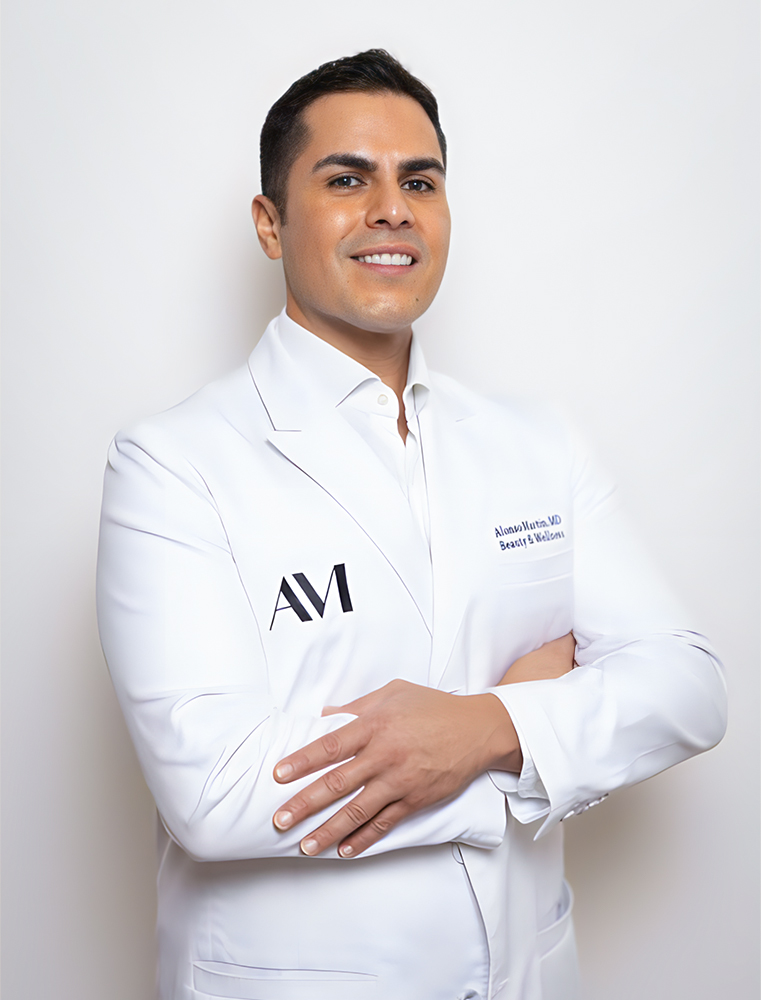
Dr. Alonso Martin is a renowned physician at the intersection of science, beauty, and longevity. Beginning his career at UCLA as a neuroscientist studying antioxidants’ effects on longevity, Dr. Martin now leads BODYWELLE, specializing in the latest non-invasive facial and body rejuvenation techniques. His expertise spans cosmetic dermatology, focusing on injectable neuromodulators like Botox, Daxxify, Dysport, and Xeomin, alongside an array of fillers including RHA, Juvederm, and Sculptra, to name a few. He is also adept in natural skin rejuvenation through PRF (Platelet-Rich Fibrin), stimulating collagen production and mitigating signs of aging.
Further enhancing his practice’s offerings, Dr. Martin utilizes Emsculpt NEO technology for muscle growth, tissue lifting, and fat elimination—techniques favored by NFL athletes and celebrities for strength and longevity. He passionately advocates for strengthening the body and optimizing its function as an anti-aging solution, incorporating peptide therapy to support overall wellness.
Dr. Martin trained at the University of California, Irvine Hospital in family medicine, where he treated patients of all ages with obesity, diabetes, thyroid & hormone disorders, high blood pressure, age-related diseases, chronic pain, and autoimmune conditions. With prestigious nominations like Resident of the Year at UCLA, he holds an M.D. from Michigan State University and a B.Sc. in Neuroscience from UCLA. Licensed in both Florida and California, Dr. Martin’s credentials underscore his commitment to enhancing patient well-being through advanced medical practices.
If you have any questions or would like to schedule an appointment, contact BODYWELLE today by calling (305) 877-5084.