Skin resurfacing treatments work by removing or remodeling the outer layers of skin to stimulate the body’s natural repair process, triggering collagen production, accelerating cellular turnover, and improving texture, tone, and overall skin quality. The challenge for most patients isn’t deciding whether to pursue skin resurfacing, but figuring out which of the available options is actually appropriate for their specific skin issues, lifestyle, and tolerance for downtime. The answer depends on what is happening in the skin, at what depth, and how aggressively it needs to be addressed.
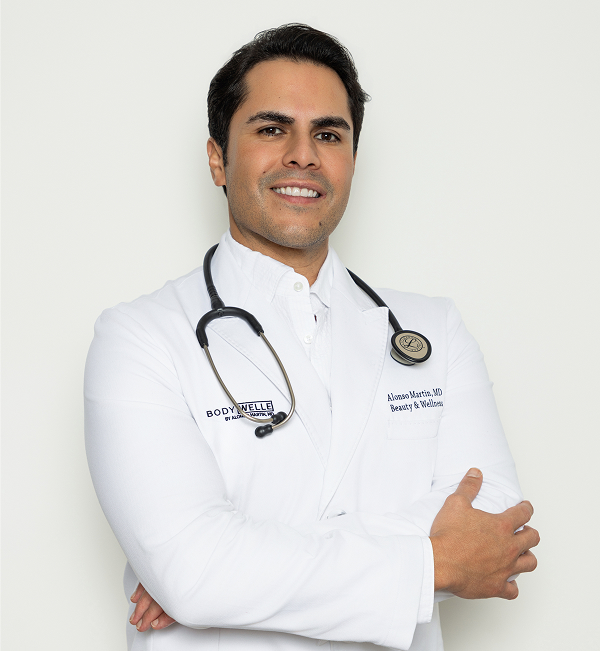
At BODYWELLE in Miami Beach, Dr. Alonso Martin offers a range of physician-led skin resurfacing procedures, from non-ablative fractional laser treatments to radiofrequency microneedling, light therapy, and chemical peels, each selected and calibrated based on individual skin assessment rather than a standardized protocol.
What to Know Before Choosing a Skin Resurfacing Treatment
- Skin resurfacing procedures range from superficial treatments that target the epidermis to deeper options that remodel the dermis and subdermal tissue, and the right choice depends on the concern being treated.
- Non-ablative laser treatments like Clear + Brilliant stimulate collagen and cellular renewal without removing the outer skin layer, making them suitable for patients who want meaningful results with minimal downtime.
- Radiofrequency microneedling, chemical peels, and IPL light therapy each address different skin concerns through distinct mechanisms, making treatment selection a clinical decision rather than a preference.
- Combination protocols that layer multiple resurfacing treatments often address concerns more comprehensively than any single procedure alone, and are a common approach at BODYWELLE.
- A thorough consultation with a physician assessment is the most reliable way to determine which skin resurfacing procedure, or combination of procedures, is appropriate for your skin.
What Is Skin Resurfacing and How Does It Work?
Skin resurfacing is a broad category of cosmetic procedures designed to improve the quality of the skin by promoting controlled renewal at varying depths. All skin resurfacing treatments share a common principle: by creating precisely controlled injury to the skin’s surface or deeper layers, they activate the body’s healing response, stimulating new collagen synthesis, accelerating the replacement of damaged cells, and gradually improving skin texture, tone, and resilience.
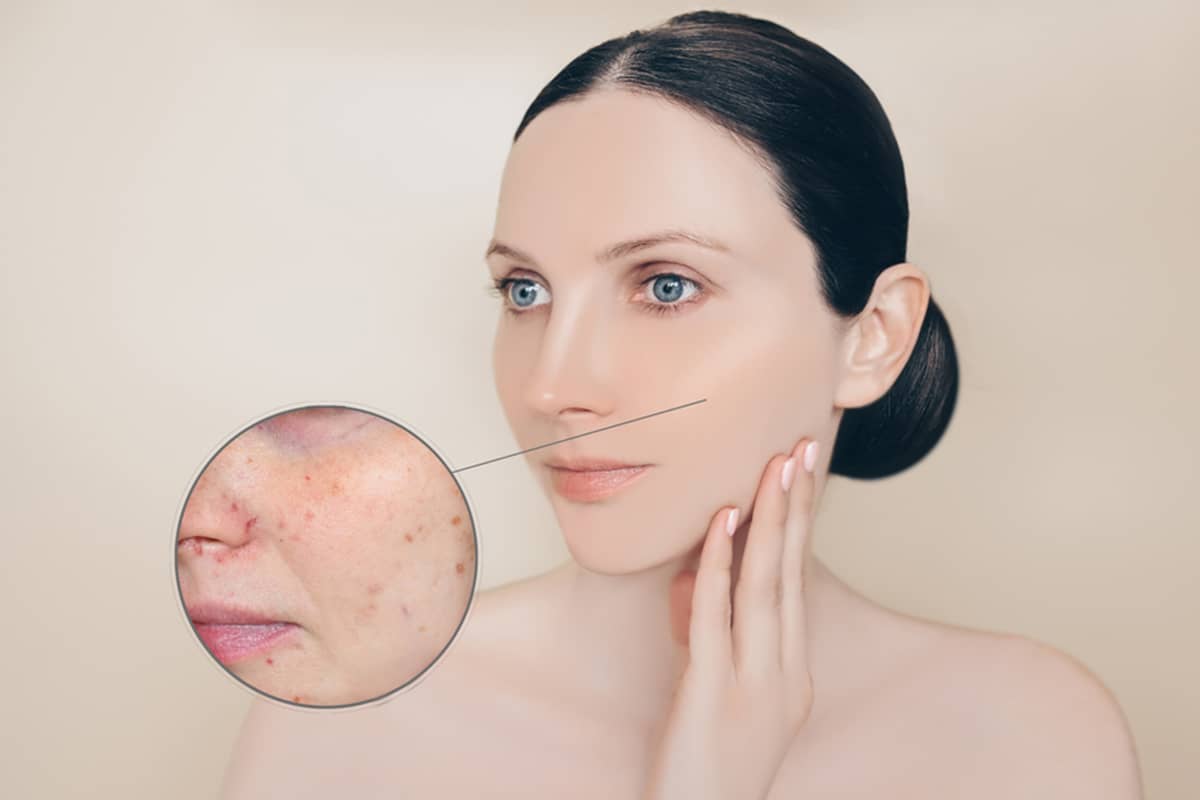
The depth at which a treatment works determines both its clinical effect and its recovery profile. Superficial treatments address the epidermis, producing modest improvements with little to no downtime. Treatments that reach into the dermis produce more significant structural changes, including improvement of deeper lines, surgical scars, and skin laxity, but typically require more recovery. Understanding this spectrum is the starting point for matching the right laser skin resurfacing procedure or resurfacing method to the patient’s specific concerns.
Common skin issues addressed through resurfacing include uneven skin tone, hyperpigmentation, age spots, acne scars, fine lines, rosacea, rough skin texture, and the cumulative effects of sun damage on the epidermis and deeper layers of skin.
Ablative vs. Non-Ablative Laser Resurfacing: Understanding the Distinction
Non-ablative laser treatments deliver energy into the skin without removing the surface, stimulating collagen production and cellular renewal from within while leaving the outer skin intact. Fractional lasers like Clear + Brilliant create thousands of microscopic treatment zones that trigger the skin’s repair process without ablating the surface, producing meaningful skin rejuvenation with minimal recovery and little disruption to daily life.
Ablative laser resurfacing takes a more aggressive approach, removing the outer layers of skin entirely to address deeper concerns such as significant wrinkles and established scarring. Ablative lasers, including CO2 and erbium lasers, can produce dramatic results, but require substantial downtime of one to two weeks or more, carry a higher risk profile, and are not appropriate for all skin types. YAG lasers and dye lasers represent other types used across aesthetic medicine, each with its own set of clinical considerations and recovery demands.
At BODYWELLE, the skin resurfacing approach centers on non-ablative and fractional laser skin treatments, radiofrequency microneedling, and targeted light therapy, options selected for their ability to deliver clinically meaningful results while supporting patient safety and minimizing recovery time.
Start Your Journey to Success, Don’t Wait Any Longer!
Join our satisfied clients who’ve experienced safe, effective treatments.
Skin Resurfacing Treatments at BODYWELLE in Miami Beach
Clear + Brilliant: Fractional Laser Skin Resurfacing
Clear + Brilliant is a non-ablative fractional diode laser that creates thousands of microscopic channels in the upper layers of the skin, stimulating the replacement of damaged tissue with healthier, more radiant skin from within. As a type of laser treatment, it works by activating cellular turnover and collagen production without disrupting the skin’s surface, making it one of the most accessible laser skin resurfacing procedures available in terms of tolerability and recovery.
Clear + Brilliant is well-suited to patients addressing early signs of skin aging, sun damage, dullness, enlarged pores, and uneven skin texture. It is also an effective maintenance and preventive laser skin treatment for patients who want to support long-term skin health before concerns become established. A series of four to six sessions is typically recommended for optimal results, with minimal downtime between appointments.
Morpheus8: Radiofrequency Microneedling for Deeper Skin Remodeling
Morpheus8 combines fractional microneedling with radiofrequency energy to remodel tissue at multiple depths within the dermis and subdermal layers — reaching areas that surface laser treatments cannot. The microneedles create controlled micro-injuries that trigger collagen synthesis, while the simultaneous RF energy heats connective tissue to tighten existing collagen fibers and stimulate new growth.
This makes Morpheus8 particularly effective for patients dealing with skin laxity, moderate to significant acne scars, deeper lines, and textural irregularities that require structural remodeling rather than surface-level renewal. Because RF energy is delivered below the skin’s surface and is not dependent on melanin absorption, Morpheus8 is suitable for a wider range of skin tones than many ablative laser treatments.
Microneedling with PRF: Collagen Induction with Regenerative Support
Microneedling with PRF (platelet-rich fibrin) uses fine needles to create microchannels in the skin, triggering the body’s natural repair response and stimulating collagen and elastin production. The addition of PRF, derived from the patient’s own blood and rich in growth factors, enhances the healing response and supports more robust collagen formation than microneedling alone.
This treatment is well-suited to patients with fine lines, mild acne scars, uneven skin texture, and dullness who want meaningful results with minimal downtime and a natural, biocompatible approach. At BODYWELLE, microneedling with PRF is physician-administered, with needle depth and PRF concentration tailored to each patient’s skin condition and treatment objectives.
Chemical Peels: Targeted Exfoliation at Multiple Depths
Chemical peels apply a carefully formulated solution to the skin to accelerate the shedding of damaged outer layers and promote the emergence of healthier, more even-toned skin beneath. BODYWELLE offers peels across multiple strengths, from lighter formulations that address surface-level dullness and mild pigmentation with virtually no recovery, to deeper options for more established hyperpigmentation, uneven skin tone, and acne-related concerns.
Peels at BODYWELLE use professional-grade products from ZoSkin Health by Obagi and SkinCeuticals formulations designed for clinical efficacy with appropriate skin preparation and aftercare. The right peel depth and formulation are determined during consultation based on skin type, sensitivity, and the specific concern being addressed.
Lumecca IPL: Light Therapy for Pigmentation and Vascular Concerns
Lumecca is an intense pulsed light therapy that uses broad-spectrum light to target melanin and hemoglobin in the skin, making it highly effective for pigmentation-related concerns and vascular irregularities. Unlike laser rejuvenation, which uses a single wavelength, IPL delivers multiple wavelengths simultaneously, allowing it to address both pigmentation and redness in a single treatment.
Lumecca is best suited for patients concerned with:
- Sun spots and age spots
- Hyperpigmentation and uneven skin tone
- Rosacea and diffuse facial redness
- Broken capillaries and vascular lesions
- Overall skin clarity following years of sun exposure
It is important to note that IPL is not appropriate for all skin tones. Patients with darker complexions may be at higher risk for post-inflammatory hyperpigmentation following IPL treatment, and Dr. Martin assesses skin tone and type careful
How to Choose the Right Skin Resurfacing Procedure
Selecting the appropriate skin resurfacing treatment comes down to four primary factors:
- The concern being treated: surface-level pigmentation and texture responds well to IPL or chemical peels; deeper scarring and laxity requires a treatment that reaches the dermis, such as Morpheus8.
- Skin type and tone: certain laser skin treatments carry a higher risk of pigmentation changes in darker skin tones, making RF-based or non-ablative options more appropriate for some patients.
- Downtime tolerance: patients with limited recovery availability are better suited to non-ablative fractional laser treatments, microneedling, or lighter peels. More involved procedures produce more significant results but require more recovery.
- Whether a combination approach is appropriate: many patients benefit most from layering complementary treatments. At BODYWELLE, Dr. Martin frequently combines laser skin resurfacing with chemical peels, microneedling, or IPL to address multiple concerns in a coordinated treatment plan.
Skin Resurfacing at a Glance: Treatment Comparison
| Treatment | Best For | Downtime | Depth |
| Clear + Brilliant | Texture, dullness, early aging, prevention | Minimal (1–3 days) | Superficial to mid-dermis |
| Morpheus8 | Laxity, deep scars, structural remodeling | Moderate (3–5 days) | Deep dermis/subdermal |
| Lumecca IPL | Pigmentation, rosacea, sun damage, vascular concerns | Minimal (1–2 days) | Epidermis/superficial dermis |
| Microneedling with PRF | Fine lines, mild scars, texture | Minimal (1–2 days) | Mid-dermis |
| Chemical Peels | Pigmentation, dullness, acne | Varies by depth (1–7 days) | Superficial to mid-dermis |
Safety, Side Effects, and Who Should Approach With Caution
All skin resurfacing procedures carry some degree of expected post-treatment response — redness, mild swelling, or skin sensitivity are common and resolve within days depending on the treatment. More involved procedures like Morpheus8 may produce temporary pinpoint sensitivity or mild peeling for three to five days.
Dermatologists and aesthetic physicians consistently emphasize two considerations for patient safety: skin tone assessment before any light-based or laser skin treatments, and full disclosure of medications, skincare products, and prior treatments that may affect how the skin responds. Patients using retinoids are typically advised to discontinue use before resurfacing procedures. Those with a history of cold sores may require prophylactic antiviral medication before certain treatments.
At BODYWELLE, Dr. Martin conducts a thorough skin assessment before recommending any resurfacing procedure to confirm appropriateness and identify any factors that may affect treatment selection or outcomes.
Frequently Asked Questions About Skin Resurfacing
Schedule Your Skin Resurfacing Consultation at BODYWELLE in Miami Beach
Choosing the right skin resurfacing treatment requires more than a comparison chart; it requires an honest assessment of the skin, a clear understanding of what each procedure can and cannot achieve, and a treatment plan built around the individual rather than a generalized protocol. At BODYWELLE, Dr. Alonso Martin and his team offer that level of personalized, physician-led skin care.
Schedule your consultation at BODYWELLE in Miami Beach to determine which skin resurfacing procedure is the right fit for your skin, your goals, and your life.