What age should you start Botox? It is among the most frequent questions I am asked, and the answer depends less on chronological age than on the behavior of your facial muscles. Botox can be used in the late 20s to delay the formation of lines, or later to soften wrinkles that have already established. The appropriate timing reflects your muscle activity, your skin, and your aesthetic goals rather than a fixed number.
As the founding physician of BODYWELLE in Miami Beach, I administer every Botox treatment personally. My training spans neuroscience research at UCLA and a residency in family medicine, and my practice now centers on longevity and aesthetic medicine. I regard Botox as a neuromodulator first and a cosmetic treatment second, a precise instrument for managing the facial movement that drives wrinkles over time.
When Botox Makes Sense, by the Decade
- There is no single right age to start Botox, because it depends on your muscles, your skin, and your goals.
- In your 20s, preventative Botox can soften early lines before they settle in.
- In your 30s, Botox shifts toward correcting lines that are starting to linger at rest.
- In your 40s, it focuses on softening deeper expression lines while keeping your movement natural.
- A consultation tells you far more than your birth year about whether Botox is right for you.
The Best Age to Start Botox Is Not the Same for Everyone
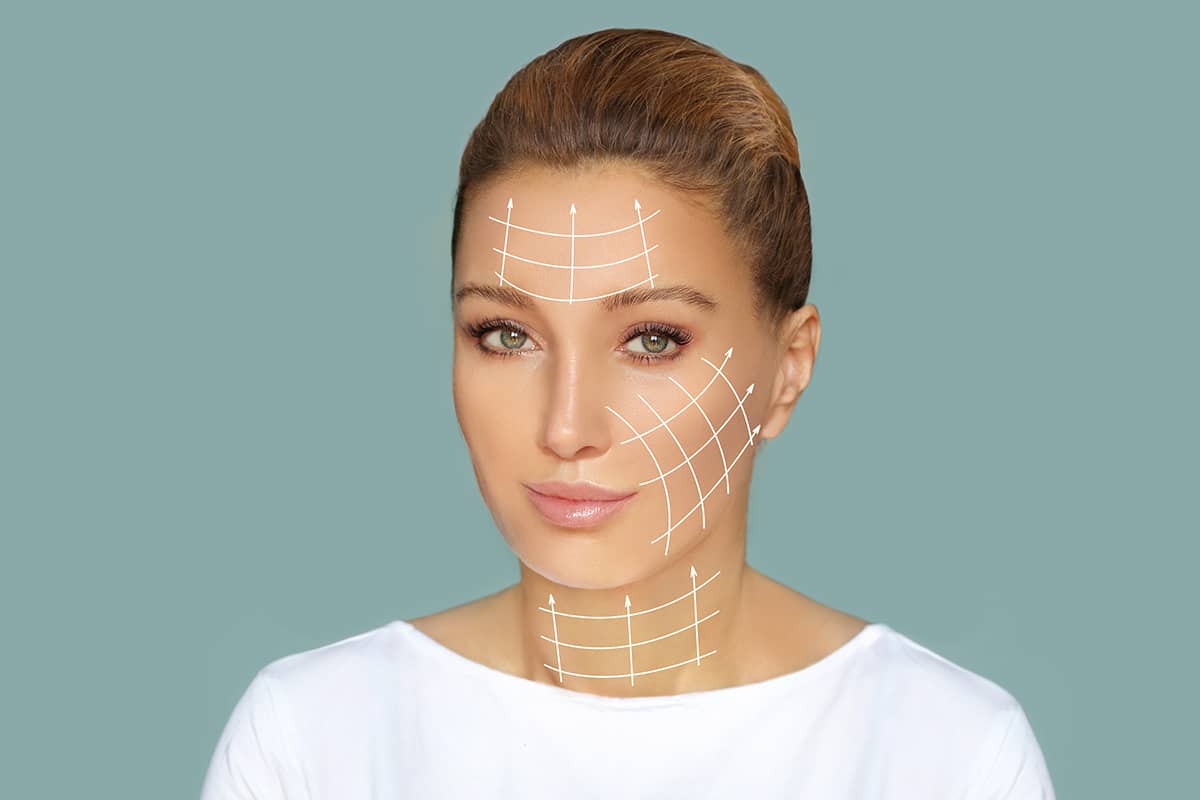
There is no universal starting point for Botox. Thinking about Botox by age group is useful, but it is a guide rather than a rule. Dynamic wrinkles, the lines created by repeated facial movement, form at different rates depending on genetics, sun exposure, skin characteristics, and lifestyle factors. According to the American Academy of Dermatology, repeatedly contracting the same facial muscles over many years can cause expression lines to become more permanent.
The decision to start Botox should therefore be based more on facial anatomy and muscle activity than on a specific birthday. The FDA prescribing information for BOTOX Cosmetic states that an effective dose for facial lines is determined in part by observing how a patient activates the muscles being treated. The Botox provider must assess facial anatomy and muscle movement before recommending treatment, since two patients of the same age can require very different approaches.
Botox in Your 20s: Prevention and Subtle Refinement
In your 20s, Botox is mostly about prevention. The idea is to relax the muscles that fold the skin before repeated movement etches those creases into permanent lines. This is often called baby Botox, and it uses small, light doses for a subtle, natural look rather than a dramatic change.
Used this way, Botox is a proactive approach. Softening early movement in the forehead, between the eyebrows, and around the eyes can delay the formation of wrinkles that would otherwise deepen with time. For many patients in their late 20s, a conservative preventative measure is all they need.
Botox in Your 30s: Early Correction and Maintenance
By your early 30s, the lines that once appeared only when you frowned or smiled may start to linger after your face relaxes. This is where Botox shifts from purely preventative to a mix of preventative and corrective Botox.
Treatment in this decade is often about a combination of early correction and maintenance. If ongoing treatment is appropriate, the timing should be individualized rather than automatically scheduled by the calendar. According to the FDA, the effect of treatment for glabellar lines lasts approximately three to four months. I use that general timeline as a guide while adjusting treatment frequency according to how each patient’s muscles respond and how much natural movement they want to preserve.
Botox in Your 40s: Softening Deeper Expression Lines
In your 40s and 50s, expression lines are usually more established, and some are visible even at rest. Botox still softens them effectively, though the deep wrinkles already etched into the skin may not disappear completely with Botox alone.
At this stage, I often combine Botox with other treatments. Dermal fillers under physician supervision can restore lost volume, and collagen-building options like microneedling can improve skin texture. The goal remains a refreshed, natural result rather than a frozen one.
Signs You May Be Ready for Botox
The clearest signal is not your age but your reflection. You may be ready for Botox if:
- Lines on your forehead or between your eyebrows stay visible after your face is relaxed
- You notice creases in recent photos that were not there a few years ago
- Frown lines or the lines around your eyes are noticeable to you at rest
Lifestyle factors like sun exposure and stress can bring these signs of aging earlier. If you are seeing them, it may be time for a consultation, regardless of your decade.
Start Your Journey to Success, Don’t Wait Any Longer!
Join our satisfied clients who’ve experienced safe, effective treatments.
Will Botox Make You Look Frozen?
This is the concern I hear most, and the answer is no, not when Botox is dosed carefully. A frozen look comes from too much product or poor placement, not from Botox itself. My approach is conservative. I relax the specific facial muscles driving a wrinkle while leaving enough movement for you to look like yourself. Done well, Botox results read as rested, not artificial.
What Happens If You Wait to Start Botox Treatments?
Waiting is not a mistake, but it does change the strategy. When dynamic wrinkles are left untreated for years, they can become static lines that show even when your face is still. At that point, Botox becomes corrective rather than preventative, and deeper lines may need a combined plan to soften fully. The safety and efficacy of Botox hold up at any adult age, so it is never too late to start. The difference is simply how much the lines have set.
How Long Does Botox Last?
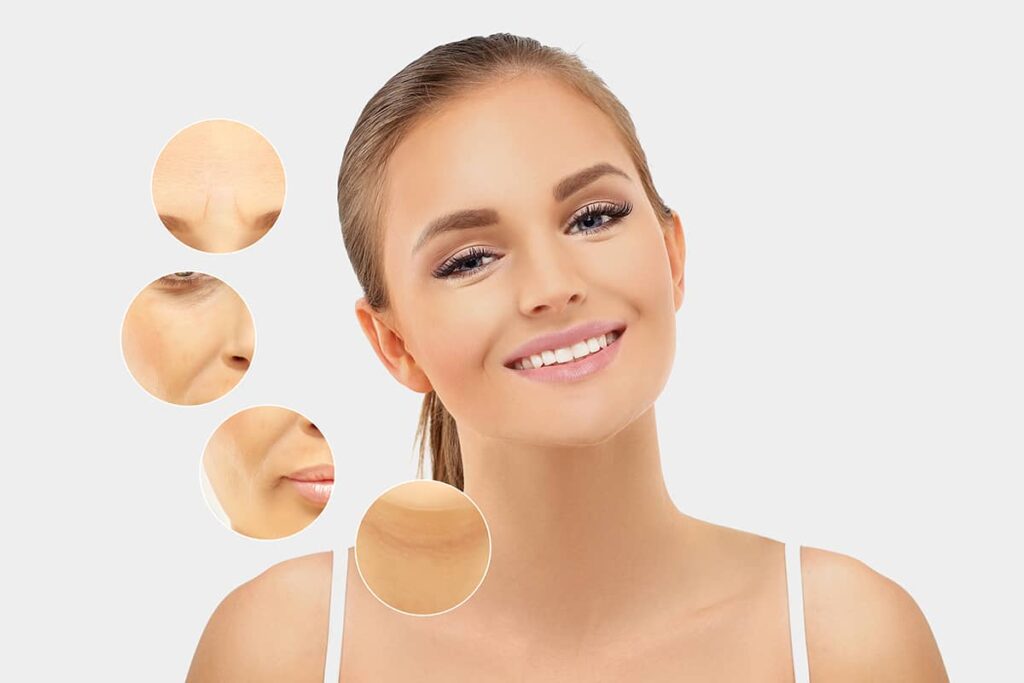
Most patients see results last three to four months, and sometimes longer. You will usually notice the effect one to two weeks after treatment, once the muscles fully relax. To maintain smooth results, most people return a few times a year. Over time, consistent treatment can even train certain muscles to relax, which may stretch the interval between visits.
How to Choose the Right Botox Provider in Miami Beach
With Botox, the result depends almost entirely on the clinician performing the injection. Botox is offered in many settings, from a dermatologist or plastic surgeon’s office to a med spa, but the setting matters less than the training and judgment of the injector. Look for a medical provider with a deep understanding of facial anatomy and a conservative, artistic eye, rather than choosing on price alone.
At my clinic, every Botox injection is performed by me and never delegated. That continuity lets me track how your face responds over time and adjust each treatment plan with personalized care.
So, Should You Start Botox in Your 20s, 30s, or 40s?
The right age is determined by your facial anatomy and goals, not by the calendar. If you are in your 20s and want to stay ahead of lines, preventative Botox makes sense. In your 30s, it is about early correction and maintenance. In your 40s, it softens deeper lines as part of a broader plan. Across every age group, the best decision is an informed one.
Schedule a Botox Consultation in Miami Beach, FL
The simplest way to know whether Botox is right for you, and when to begin, is to have your face assessed in person. Book a consultation at BODYWELLE in Miami Beach.