Just had Botox and itching to exercise? Hold off on that sweat session just yet. Find out exactly when and how you can safely return to your workout routine by exercising after Botox without risking your results.
Our expert advice ensures you balance your fitness goals with the integrity of your injectable anti-aging treatment.
Here’s the short answer:
You should wait at least 24 hours before working out after Botox. Light activity is fine, but avoid sweating, bending over, or intense exercise during this time to prevent Botox from moving.
What You Need to Know
How Long Should I Wait to Exercise After Botox?
Most providers recommend waiting at least a day (24 hours) before returning to exercise after Botox. This allows the product to settle into the targeted muscles. Increased blood flow, pressure, or sweating too soon can cause Botox to spread to unintended areas, which may reduce its effectiveness or lead to unwanted results.
Exercises to Avoid After Botox
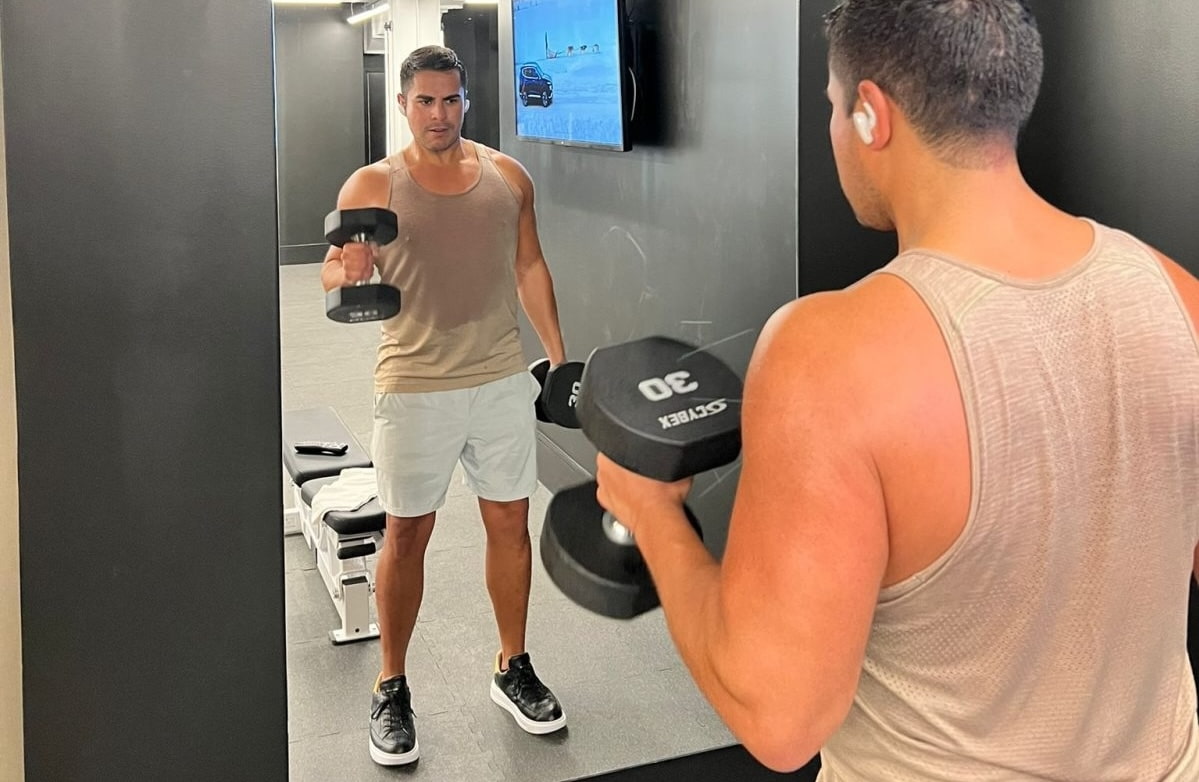
For the first day, avoid workouts that make you sweat a lot, like:
- Running or HIIT
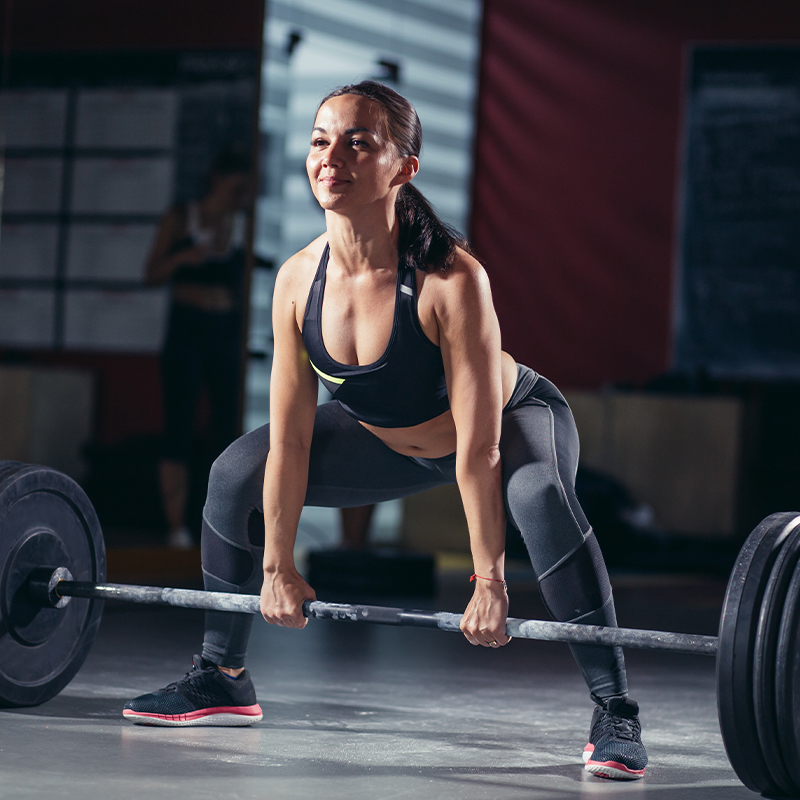
- Heavy weightlifting
- Hot yoga or anything really intense
These can make swelling or bruising worse.
Safe Exercises After Botox
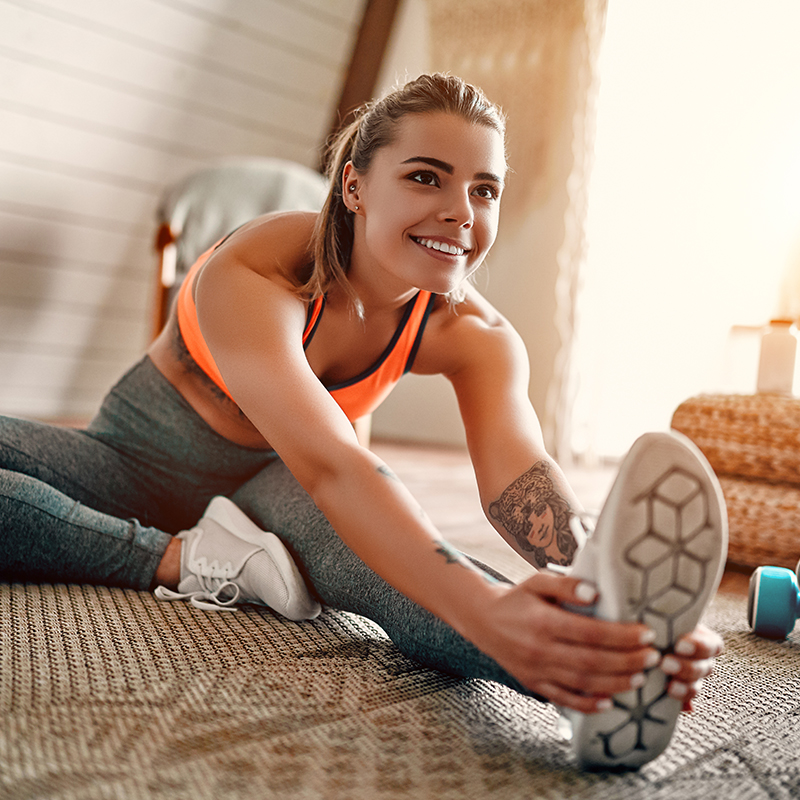
You can keep it light and gentle:
- Go for a slow walk
- Try standing stretches
- Just avoid bending over or putting pressure on your face.
What If Something Feels Off?
Listen to your body.
- If you feel pain, swelling, or anything unusual, take it easy.
- Talk to your doctor if you are unsure about when to return to your regular workout schedule.

Understanding Botox and Physical Activity
Botox injections are a type of cosmetic procedure that temporarily paralyzes facial muscles to reduce the appearance of wrinkles. This botulinum toxin type A-derived medication is popularly used to treat and prevent signs of aging, such as wrinkles, crow’s feet, glabellar lines, and forehead furrows. However, the post-treatment period, especially the first 24 hours, requires careful consideration of physical activities to maximize the results of the Botox work.
Vigorous exercise after Botox treatment is generally discouraged. The increase in heart rate and the increased blood flow, that accompanies strenuous exercise after Botox can cause the Botox to migrate from the targeted muscles, leading to leading to reduced Botox effectiveness and increased chances of swelling and bruising. Consequently, it’s recommended to avoid overexerting your body and follow your doctor’s post-treatment recommendations.
Understanding which exercises are safe and which should be avoided is crucial. This not only ensures the best treatment and recovery experience but also helps maintain the refreshed and rejuvenated appearance that Botox injections aim to provide.
The Ideal Wait Time Before Hitting the Gym Post-Botox
The question looms – when can one start exercising after Botox treatment? Well, most doctors recommend refraining from exercise for 24 hours after Botox injections to ensure optimal results. This ‘cooling-off’ period is crucial to prevent situations that could lead to complications such as bruising or migration of Botox.
This doesn’t mean you need to become a couch potato for the day. Light activities are generally safe, but anything that might increase your heart rate or increase blood flow or pressure, such as strength training, is best avoided. Not adhering to this waiting period may increase the risk of prolonged or severe swelling or bruising. Strenuous physical activities can lead to heightened blood flow and pressure in treated areas, potentially disrupting the desired effects of the Botox treatment.
While the standard advice is to wait 24 hours before resuming exercise, it’s worth noting that some doctors suggest avoiding strenuous, high-impact activities for a full week after Botox treatment. These recommendations can vary based on the specifics of the procedure and the individual’s health profile, so it’s always best to consult with a doctor or your own healthcare provider.
Botox Exercise Timeline
Here’s a quick timeline to help you safely return to exercise after Botox:
- 0–4 hours: Stay upright and avoid lying down or bending over
- First 24 hours: Avoid all strenuous exercise, sweating, and pressure on the treated areas
- After 24 hours: Light activity like walking or gentle stretching is usually safe
- After 48 hours: You can gradually return to moderate exercise if no side effects are present
- After 1 week: Most people can resume full workouts, including high-intensity training
Following this timeline helps reduce the risk of swelling, bruising, or migration and supports optimal Botox results.
Before and After Botox Results
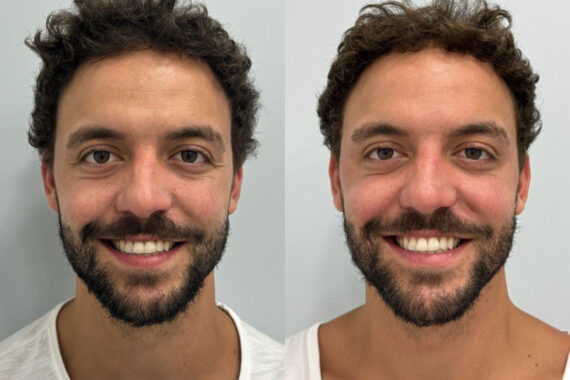
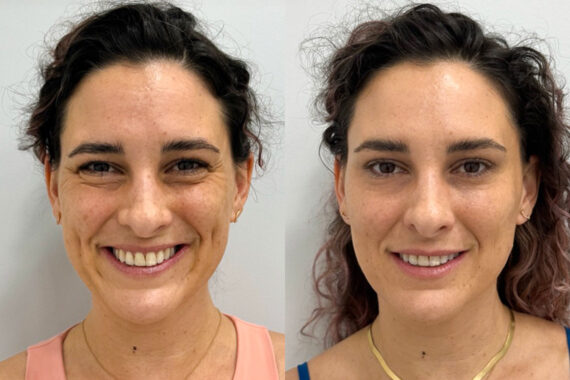
* All patients are unique and individual results may vary.
Navigating Exercise Post-Botox: Safe Practices
Once the recommended wait period is over, it’s important to gradually ease back into your fitness routine. Certain exercises are safe to perform, while others should be approached with caution.
In the following subsections, we’ll delve into the specifics of safe practices for light cardio options, strength training considerations, and flexibility and balance activities post-Botox.
Light Exercise/Cardio Options
Light cardio is a great way to ease back into your fitness routine after Botox. Here are some exercises you can try:
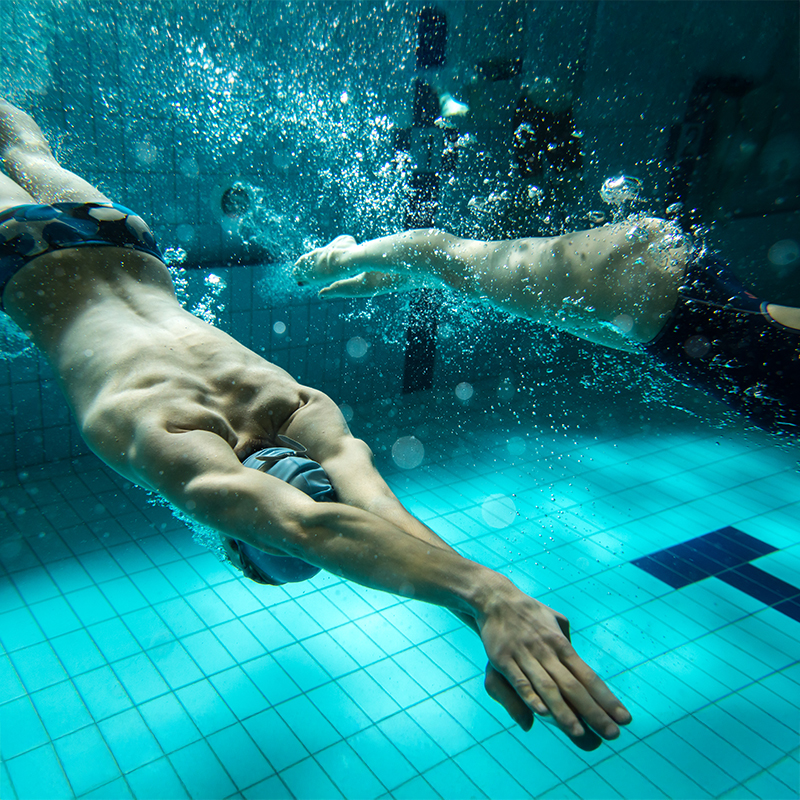
- Swimming
- Yoga
- Walking
- Cycling
It’s important to keep blood flow and the heart rate stable without a significant increase during aerobic exercise.
Safe light cardio options, which are great for avoiding strenuous exercise, include walking, light gardening, and stationary cycling. These exercises are gentle on the body and cardiovascular system and do not disrupt the treatment area when done correctly. They offer the perfect balance, allowing you to keep active and maintain your fitness without compromising the results of your Botox treatment.
One essential point to have patients remember is to avoid bending over during these exercises. This precaution ensures that the Botox stays in the targeted muscles and doesn’t migrate to other areas, which could impact the treatment’s effectiveness.

Flexibility and Balance Activities
Flexibility and balance activities, such as light yoga and stretching, are generally safe after Botox. They can help maintain muscle tone and promote relaxation without putting excessive pressure on the treated area. However, it’s important to avoid any form of exercises that involve head bending or inversions.
For example, engaging in light yoga practices that avoid inversions and light stretching that does not involve the head bending forward or lying down is often safe. Standing balance exercises, which do not entail significant movement or changes in the position of the head, can also be safely performed following Botox treatment.
However, exercises on the floor that require bending the head or practicing downward positions, as well as inversions such as headstands or yoga poses like Downward Dog, should be avoided. These activities can cause the Botox to spread from the treated area to surrounding muscles, reducing its effectiveness.
Weight Lifting Considerations
When it comes to weight training post-Botox, a little caution goes a long way. The key is to avoid exercises that compromise head positioning or put pressure on the injection site. Remember, maintaining your head upright is a key post-Botox instruction to minimize the risk of product migration.
Positions such as lying down or bending over may counteract the post-Botox care protocol. Thus, weight lifting and other strength training activities involving potentially compromising positions should be avoided within the first four hours or workout after Botox treatment.
Adhering to the instruction to keep the head upright following Botox injections will contribute to the overall success and safety of the treatment. It may seem a little restrictive initially, but the results are worth the effort!

What Types of Exercises to Steer Clear of After Botox
As important as it is to know which facial exercises are safe after Botox, it’s equally crucial to know which ones to avoid. Here are some exercises to avoid post-Botox:
- High-intensity interval training (HIIT)
- Aerobics
- Running
- Dancing
These exercises can increase the blood pressure and flow, which may cause the Botox to migrate from the treated area, leading to reduced effectiveness and increased chances of swelling, bruising, and excessive sweating.
It’s also best to avoid:
- Wearing tight-fitting headwear
- Engaging in activities that may apply pressure to the injection sites
- Swimming with caps or goggles, as it can potentially displace the neurotoxin and cause bruising
- Certain yoga and pilates positions, especially those involving inversions or bending over, for at least 24 to 48 hours post-treatment to prevent Botox from affecting surrounding muscles.
Moreover, it is crucial to avoid exercises that could cause excessive pressure on the treatment area or require the face to strain. This could encourage the treated neurotoxin to migrate and affect results, especially within the first 24 hours after injection. Remember, following your doctor’s post-treatment instructions can go a long way in ensuring the best possible outcome for your Botox treatment.
To alleviate mild post-exercise symptoms like headaches, over-the-counter pain relievers such as Tylenol can be used. To reduce swelling or bruising, it’s advised to minimize excessive movement and take it easy for the day. Always remember that while maintaining an active lifestyle post-Botox is important, it should not come at the cost of your health or the effectiveness of your treatment.
Start Your Journey to Success, Don’t Wait Any Longer!
Join our satisfied patients who’ve experienced safe, effective treatments.
Recognizing and Managing Post-Botox Exercise Symptoms
While the benefits of Botox are substantial, it’s important to be aware of potential side effects post-treatment, especially when exercising. Temporary pain or discomfort at the injection site, along with potential bruising and redness, are immediate or early side effects that might arise from exercising post-Botox.
If you notice more serious side effects such as muscle weakness, difficulty swallowing or breathing, poor bladder control, or vision changes after exercising post-Botox, it’s crucial to seek immediate medical attention. Engaging in vigorous exercise much too soon after Botox can:
- Prolonged mild side effects like swelling and redness
- Result in the diminished effectiveness of the treatment
- In the worst cases, cause muscle relaxation in unintended areas, leading to droopy eyelids or asymmetrical features.
Maximizing Botox Benefits With Proper Post-Care
To get the best results from Botox, it’s important to avoid anything that increases heat, pressure, or irritation in the treated area, especially within the first 24 hours.
Key tips to follow:
- Avoid hot environments like saunas, hot tubs, or hot yoga, as heat can increase swelling and affect results
- Do not massage or apply pressure to the treated areas
- Applying a cold compress can help reduce mild swelling or bruising
- Keep your head upright for at least 4 hours after treatment. Avoid bending over or lying down too soon
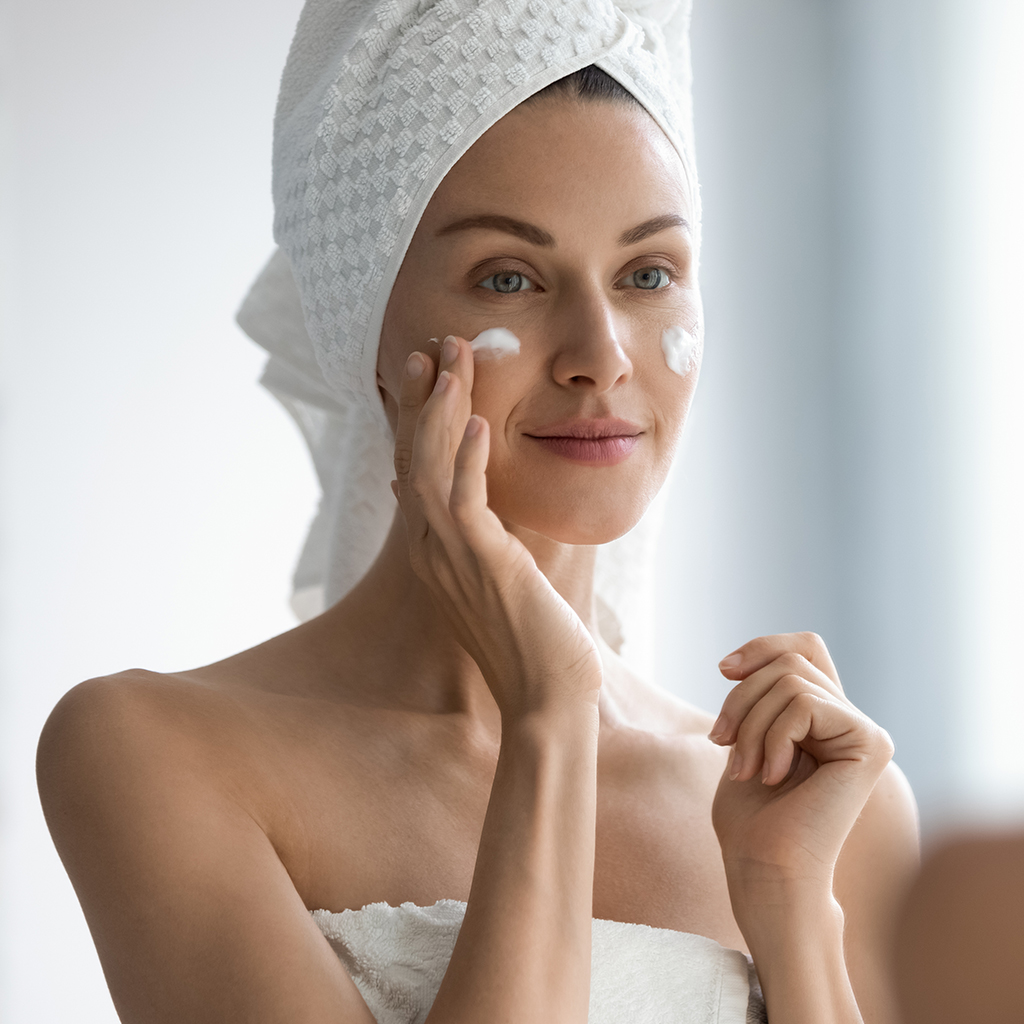
- Wait at least 24 hours before resuming your normal skincare routine
- Avoid strong active ingredients (like retinol or exfoliating acids) on treated areas for a few days
- Limit alcohol intake for 24 hours to reduce the risk of bruising
- Minimize excessive sun exposure and wear sunscreen to protect the skin
- Staying well-hydrated supports skin health and helps maintain a smoother appearance, especially when combined with hyaluronic acid
Following these simple precautions helps ensure Botox settles properly and delivers the best possible results.

Summary
Navigating the post-treatment period after Botox can be a challenge, but with proper guidance and a bit of patience, it’s entirely manageable. From understanding what Botox is and how it works, to knowing the ideal wait time before resuming exercise after Botox and what exercises are safe to perform, this guide has covered all the essentials. We’ve also discussed the importance of recognizing and managing post-Botox exercise symptoms, keeping your skin happy, and maximizing the benefits of Botox with proper post-care.
Remember, the key to enjoying the full benefits of your Botox treatment lies in the balance between maintaining an active lifestyle and giving your body the rest it needs post-treatment before returning to your regular exercise routine. With these tips in mind, you can ensure that your journey to a younger-looking, more radiant self is a safe and successful one.
Frequently Asked Questions

Case Study: Consistent Botox Results and Comfortable Experience

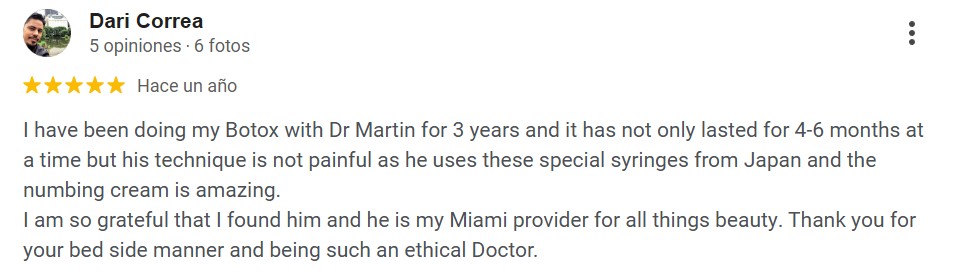
Patient: Dari Correa
Visit Type: Botox
Overview
Dari has been a loyal patient for three years, coming regularly for Botox treatments. She reports that her results consistently last 4–6 months — longer than many typical Botox experiences — and that each visit is comfortable thanks to Dr. Martin’s technique.
Treatment Details
- Botox Technique: Dr. Martin uses ultra-fine syringes imported from Japan, which minimize discomfort.
- Comfort Measures: A strong numbing cream is applied before treatment, allowing for a pain-free experience.
- Frequency: Treatments are scheduled every 4–6 months to maintain smooth, natural results.
Outcome
- Long-lasting results with minimal touch-ups needed
- Virtually pain-free injections thanks to special equipment and numbing
- High trust and satisfaction — Dari considers Dr. Martin her go-to provider in Miami for all aesthetic needs
Key Takeaways:
- Patient Loyalty: Consistency in technique and results builds long-term relationships.
- Comfort Matters: The right tools (Japanese syringes) and numbing cream create a pain-free experience.
- Ethical Care: Dari highlights Dr. Martin’s professionalism and bedside manner as reasons she keeps coming back.Recognizing and Managing Post-Botox Exercise Symptoms
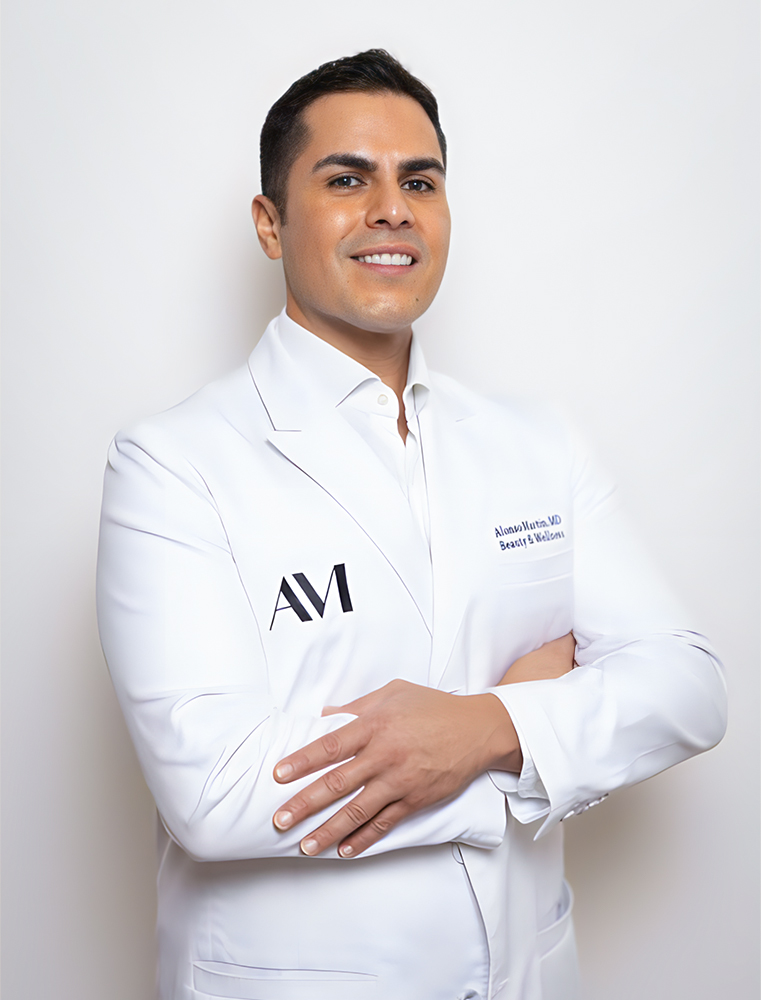
About the Author
Dr. Alonso Martin is a licensed physician specializing in cosmetic dermatology and injectable treatments, including Botox, Dysport, and dermal fillers. Based in Miami, he focuses on safe, natural-looking results using evidence-based techniques.
With a background in neuroscience and medical training at the University of California, Irvine, Dr. Martin has extensive experience treating a wide range of patients and conditions. He regularly advises patients on post-Botox care, including when it is safe to return to exercise.
If you have questions or would like to schedule an appointment, contact BODYWELL at (305) 877-5084.